Introduction
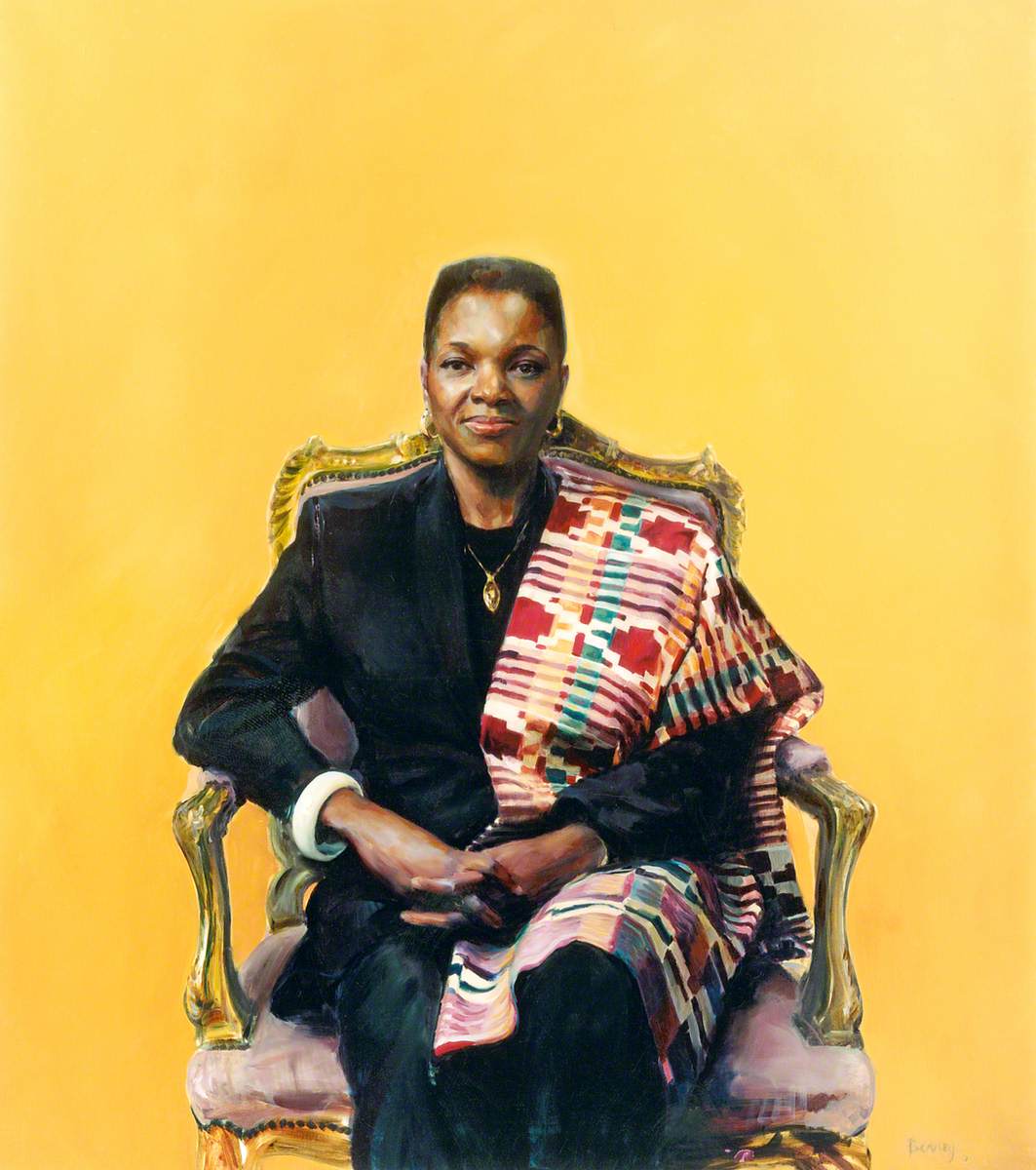
Baroness Amos, a prominent figure in international affairs, has made significant contributions to global development and diplomacy. As the first black woman to hold a seat in the House of Lords, her career has been marked by a commitment to humanitarianism and a focus on addressing global inequalities. Her recent appointment as the first female director of the School of Oriental and African Studies (SOAS) signifies her ongoing influence in shaping policies that affect the Global South and beyond.
Background and Career Highlights
Born in Guyana and raised in the UK, Baroness Amos has a rich history in public service and academia. She served as the United Nations Under-Secretary-General for Humanitarian Affairs and Emergency Relief Coordinator, where she dealt with major crises worldwide, including those in Syria and Haiti. In 2019, she became the first woman to be appointed the director of SOAS, a leading institution for the study of Asia, Africa, and the Middle East, paving the way for a more inclusive approach in higher education.
Current Developments
Recently, Baroness Amos has been active in addressing the impact of climate change on vulnerable communities, advocating for policies that promote sustainable development. She emphasizes the need for international cooperation and has spoken at notable conferences, including the UN Climate Change Conference (COP). In her speeches, she has highlighted the disproportionate effects of climate changes on low-income nations, urging developed countries to take accountability for their emissions and support global reparations.
Significance of Baroness Amos’s Work
The work of Baroness Amos is crucial in today’s climate where the intersection of development, politics, and humanitarian efforts is more significant than ever. Her contributions not only advance the understanding of complex global issues but also inspire future generations of leaders, particularly women and minorities in politics. With her leadership roles continuing to expand, she serves as a role model for aspiring activists and policymakers.
Conclusion
Baroness Amos’s work extends beyond traditional diplomatic frameworks, addressing urgent global challenges with a focus on equity and justice. As we move forward, her influence in diplomacy and development is likely to grow, steering conversations around critical issues affecting our world today. Stakeholders in both the public and private sectors will need to pay attention to her insights and initiatives as they shape the future of international cooperation and development.