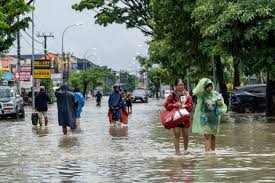
Introduction: The Importance of the Bali Floods
In recent weeks, Bali has experienced significant flooding, raising concerns for both residents and tourists. The floods, exacerbated by heavy seasonal rainfall, have disrupted daily life and highlighted the growing challenges of climate change and urban planning on this renowned Indonesian island. As a popular tourist destination, the ramifications of these natural events extend beyond local impact to global tourism trends.
Details of the Recent Flooding
In early October 2023, reports from the Indonesian Meteorology, Climatology, and Geophysics Agency indicated that Bali received more than 200 millimetres of rainfall within 48 hours, resulting in widespread flooding in several regions, including Denpasar and Ubud. The excessive rainfall led to the overflow of several rivers, washing away roads, and inundating homes and businesses.
The local government activated emergency protocols, deploying rescue teams to assist affected communities. Evacuation centres have been established, providing temporary shelters to those displaced. According to local authorities, over 1,500 people were forced to evacuate their homes due to the rising waters, with reports of damage to agricultural lands, particularly in the regencies of Badung and Tabanan.
The Wider Impact of the floods
The flooding has not only affected residential areas but also had a significant bearing on tourism, a critical economic driver for Bali. Major road closures have impeded access to popular tourist sites, causing cancellations and economic strain on local businesses that rely heavily on visitor traffic. Tour operators have reported a surge in inquiries regarding weather conditions, as tourists become increasingly concerned about travel plans amidst the flood warnings.
The environmental aspect cannot be understated, as severe weather patterns become more frequent. Environmentalists warn that Bali’s infrastructure is under tremendous pressure due to overdevelopment and inadequate drainage systems, which exacerbate flooding during peak rainy seasons.
Conclusion: Looking Ahead
The recent flooding in Bali serves as a stark reminder of the island’s vulnerability to climate-related events. Experts predict that such extreme weather incidents may become more common due to ongoing climate change effects. As residents work towards recovery, there is a pressing need for improved urban planning and sustainable infrastructure that can better handle these environmental challenges. For tourists, it is advisable to stay updated on travel advisories and prepare for disruptions while the island authorities continue their recovery efforts. The resilience of the Balinese people will play a significant role in the restoration of normalcy on this beautiful island.