Introduction
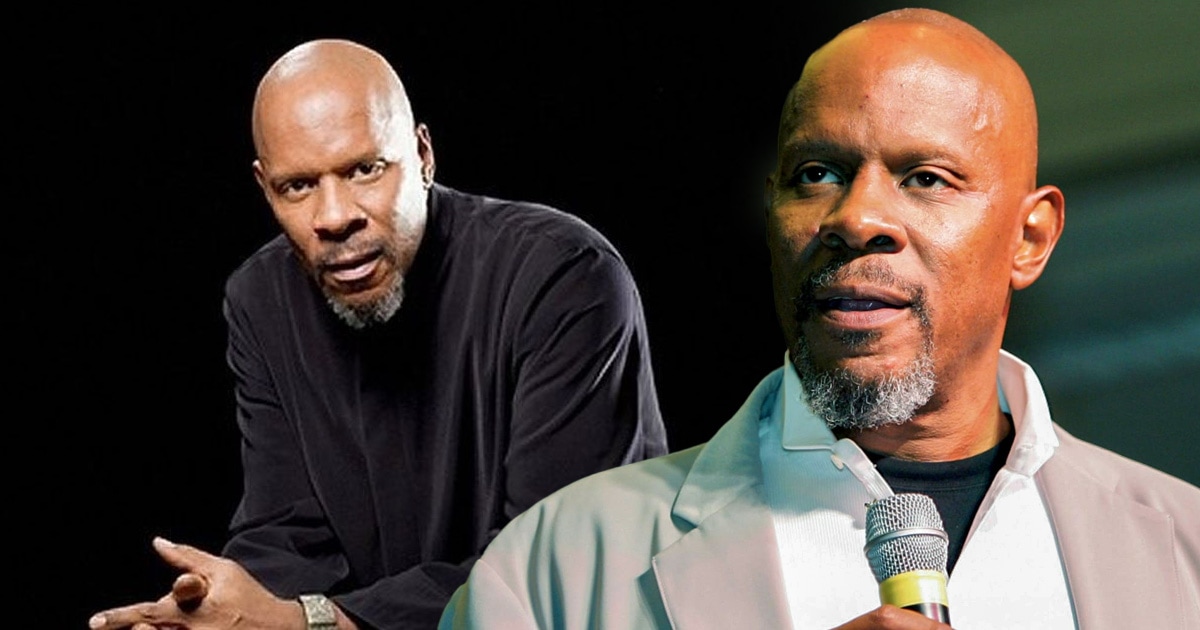
Avery Brooks is a prominent actor, director, and educator whose career spans several decades and includes significant contributions to stage, television, and film. Born on October 2, 1948, in Evansville, Indiana, his work has had a lasting impact, particularly through his role as Captain Benjamin Sisko in the acclaimed series ‘Star Trek: Deep Space Nine’. His contributions to both performance and storytelling have made him a respected figure not just in the realm of entertainment but also in cultural discussions surrounding race and representation.
Career Milestones
Brooks studied at Oberlin College and graduated with a degree in Theatre Arts. He later earned a master’s degree in directing from Rutgers University. Brooks’ on-screen career took flight in the late 1980s, and he gained significant recognition in the role of Hawk in the television series ‘Spencer: For Hire’. However, it was his pivotal role in ‘Star Trek: Deep Space Nine’, which aired from 1993 to 1999, that secured his status as a standout actor. Through Sisko, Brooks navigated themes of leadership, morality, and diversity, bringing a level of depth and nuance that resonated with audiences.
Besides his work on television, Brooks has an extensive background in theatre, appearing in notable productions such as ‘Othello’ and ‘King Lear’. His stage performances showcase his versatility and command, further demonstrating his capacity as an artist. In addition to acting, Brooks has also directed episodes of ‘Deep Space Nine’, affirming his talents behind the camera.
Legacy and Influence
Avery Brooks has often been lauded for his powerful presence and the emotional weight he brings to his roles. He has become a role model for aspiring actors and a significant voice in advocating for greater representation of Black actors in science fiction and other genres. His role in ‘Deep Space Nine’ challenged traditional stereotypes and provided a platform for discussing complex societal themes, including identity and leadership.
Conclusion
As of now, Avery Brooks continues to impact the arts through his teaching and occasional performances. In an age where diversity in media is at the forefront of discussions, Brooks’ legacy serves as a reminder of the importance of representation in storytelling. His contributions have not only entertained but have also provoked thought and encouraged dialogue around race, leadership, and personal identity. As viewers reflect on his body of work, the significance of Brooks’ career and the barriers he has broken down will continue to resonate in the hearts and minds of many.