Spirit Airlines has officially ceased operations after 34 years, abruptly canceling all flights and beginning an immediate shutdown of the company. This unexpected move leaves thousands of travelers stranded and sends shockwaves through the low-cost travel market in Florida.
The airline employed about 17,000 people before its shutdown and had already filed for bankruptcy protection twice within a year. The combination of soaring fuel costs and intense competition ultimately proved unsustainable for Spirit.
Passengers were strongly advised not to go to the airport, as all flights were canceled. Many are now scrambling for alternative travel plans or seeking refunds, which are expected to be processed automatically to their original form of payment.
Spirit had a significant presence in Florida, operating out of major airports including Fort Lauderdale, Orlando, Tampa, and Fort Myers. The loss of this ultra-low-cost carrier could lead to fewer affordable flight options and potentially higher average airfare prices.
Other airlines are stepping in to help absorb displaced travelers with limited emergency fares. However, the long-term effects on Spirit’s aircraft, airport gates, and workforce remain unclear. Officials have not yet confirmed how these resources will be redistributed or what will happen to the employees affected by this closure.
The airline had been under financial strain for several years, facing a combination of industry-wide challenges and internal struggles. Despite efforts to restructure and secure funding, Spirit ultimately could not sustain operations.
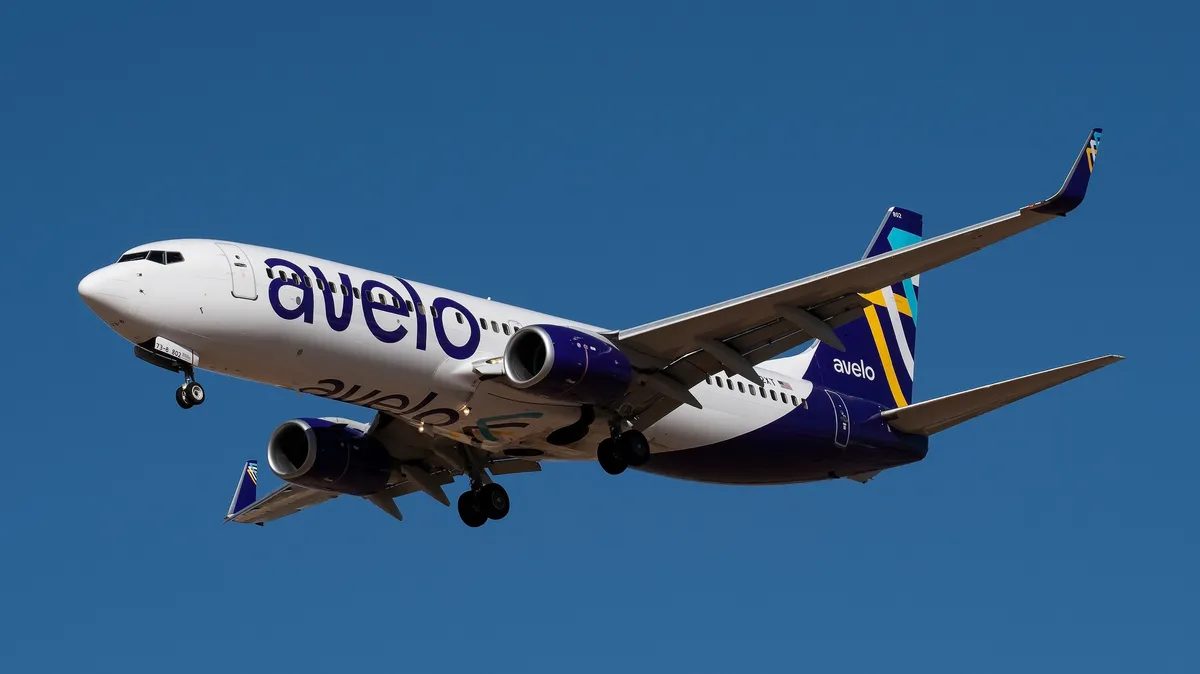
As travelers adjust to this sudden change in the air travel landscape, many are left wondering how it will affect airline competition moving forward. The implications for other low-cost carriers like Avelo Airlines could be significant as they navigate a market reshaped by Spirit’s exit.