Introduction
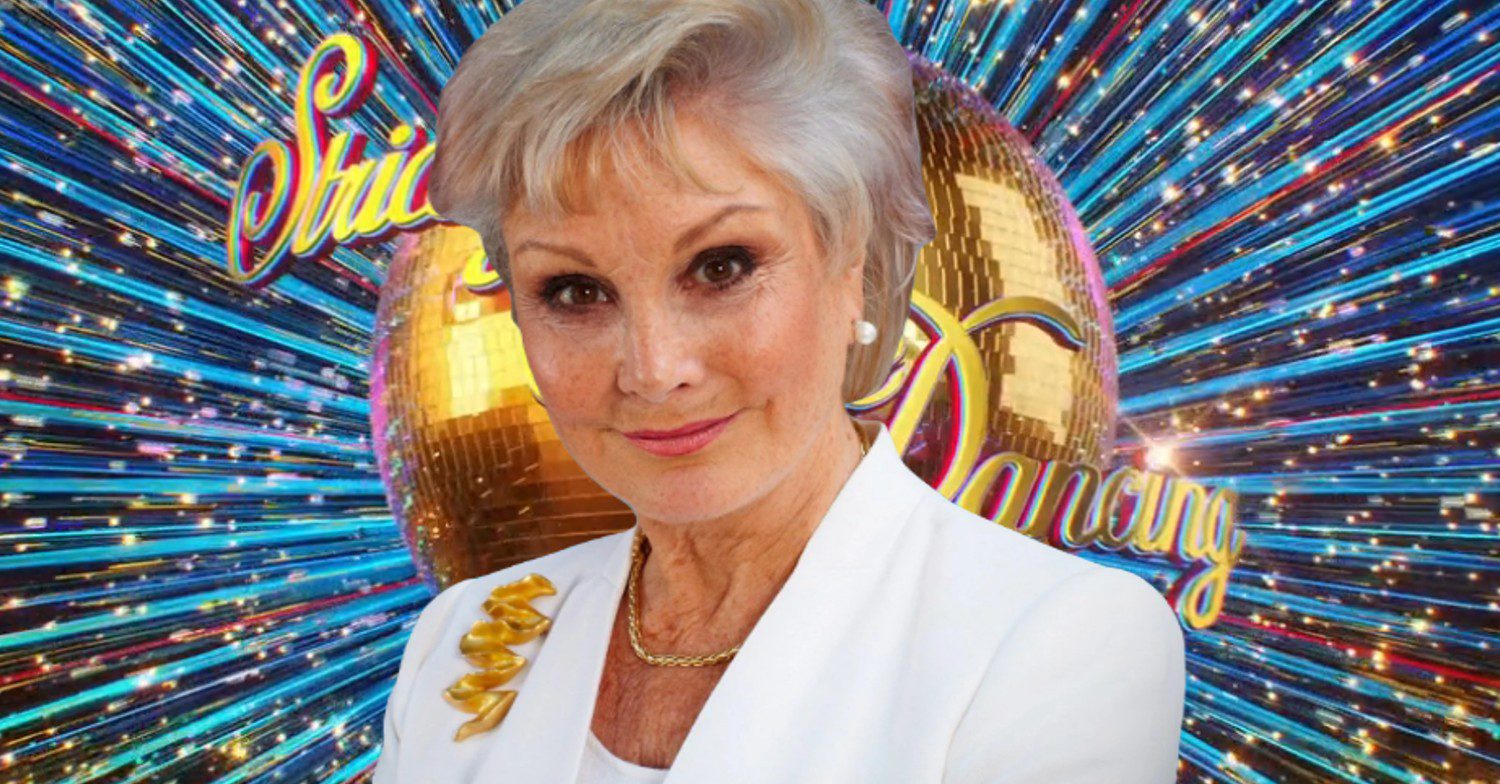
Angela Rippon, an icon of British television, is renowned for her extensive career as a journalist and presenter. As one of the first female news anchors in the UK, Rippon’s influence on media and television is significant. Her contributions to broadcasting have not only paved the way for future generations of female journalists but have also expanded the scope of entertainment news.
Career Milestones
Born on 12th October 1944 in Plymouth, Angela Rippon began her career in journalism in the early 1960s. She joined the BBC in 1966, where she quickly made a name for herself as a newsreader. In 1975, she became the first female presenter of ‘BBC News’, marking a pivotal moment in the male-dominated landscape of British broadcasting. Her poise and professionalism won the hearts of viewers and set a precedent for women in journalism.
Throughout her career, Rippon has presented various television programmes, including ‘Breakfast Time,’ ‘The One Show,’ and ‘Rip Off Britain.’ She is widely recognised for her versatility and ability to engage with a diverse audience. In addition to news broadcasting, Rippon has ventured into documentaries and game shows, showcasing her range as a television personality.
Recent Developments
In recent years, Rippon has continued to be active within the industry. In 2022, she celebrated her 50th anniversary in broadcasting, a milestone that was marked with tributes from industry colleagues and fans alike. Additionally, she has embraced digital platforms, engaging with audiences on social media and through online content, further solidifying her relevance in today’s media landscape.
Angela has also been a vocal advocate for various social issues, particularly relating to older adults and dementia awareness. Her involvement in these causes reflects her commitment to public service beyond the screen.
Conclusion
Angela Rippon’s legacy as a trailblazing broadcaster is undeniable and continues to inspire new generations of journalists and media professionals. As she maintains her presence in the industry, the impact of her work serves as a reminder of the importance of representation in media. Her journey highlights the evolving nature of broadcasting and the opportunities that lie ahead for aspiring female journalists. As the media landscape continues to change, Rippon’s enduring contributions remind us of the foundational work done by pioneers who have shaped the industry significantly.