Introduction
The topic of stamp duty has taken centre stage in UK political discourse, particularly with the recent comments and proposals made by Angela Rayner, the Deputy Leader of the Labour Party. As the housing market continues to grapple with affordability issues, Rayner’s insights on stamp duty reform are of significant relevance. Her advocacy for changes could play a critical role in shaping future housing policies in the UK.
Recent Developments
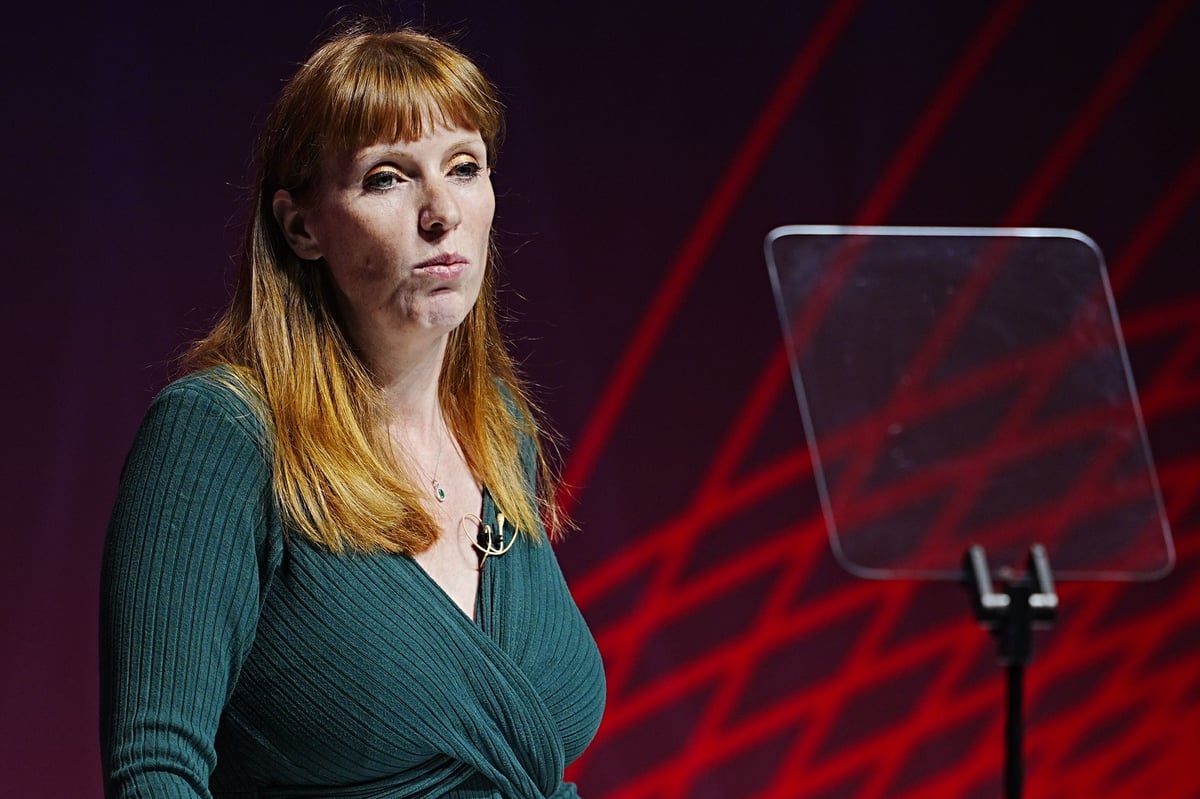
Angela Rayner recently addressed several key issues surrounding the current stamp duty system during a party conference. In her speech, she emphasised the burden that stamp duty places on first-time buyers and young families trying to enter the property market. Rayner proposed a restructuring of the current stamp duty thresholds to alleviate the financial pressure on these groups, suggesting a complete review of the system to make home ownership more accessible.
According to reports, Rayner’s proposals include removing or significantly reducing stamp duty for properties below a certain price point. This initiative aims to encourage home ownership and stimulate the housing market, particularly in regions where house prices have surged. Additionally, she highlighted how the current stamp duty system disproportionately affects lower and middle-income earners, amplifying the housing crisis in the UK.
Economic Impact and Responses
The proposed adjustments to stamp duty align with broader Labour Party policies aimed at addressing economic inequality. Real estate analysts have noted that such reforms could invigorate the housing market, potentially leading to increased property sales. However, critics of the proposal caution that altering stamp duty could reduce government revenue, which is primarily dependent on housing transactions.
In response to Rayner’s comments, prominent housing organisations have expressed cautious optimism. The National Association of Estate Agents (NAEA) has noted that easing stamp duty may lead to a more fluid property market. Yet, they urge that any changes should be carefully balanced to ensure that local councils do not suffer financially from reduced stamp duty receipts.
Conclusion
Angela Rayner’s position on stamp duty reform gathers attention as the UK continues to navigate a challenging housing landscape. The proposed changes have the potential to significantly impact first-time buyers and the overall housing market. As discussions continue within the Labour Party and with other stakeholders, it remains to be seen how these proposals will evolve and whether they will resonate with the electorate ahead of the next general election. Rayner’s advocacy highlights the crucial link between tax policies and housing affordability, underlining the significance of this issue for many families across the UK.