Introduction
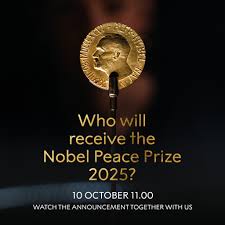
The Nobel Peace Prize has long held significance as a global symbol of recognition for individuals and organisations making extraordinary efforts towards achieving peace and resolving conflicts. As we approach 2025, interest is growing around who might be nominated and the broader implications of the award in today’s tumultuous global landscape.
Recent Context
Last year’s Nobel Peace Prize was awarded to the activists from Belarus for their courageous fight against authoritarianism and oppression. The award not only highlighted the ongoing struggles in Belarus but also served as a reminder of the dissatisfaction towards persistent democratic backsliding in various regions worldwide. As 2025 approaches, themes of human rights, climate action, and global cooperation are likely to continue shaping nominations.
Potential Nominees
Various individuals and organisations are already in discussions regarding potential nominees for the Nobel Peace Prize 2025. Climate activists such as Greta Thunberg and organisations like Extinction Rebellion remain pivotal in the global discourse on climate change. Their efforts reflect an increasing acknowledgement that climate change is a pressing challenge intertwined with global security and peace.
Additionally, ongoing conflicts in regions like Ukraine, Myanmar, and the Middle East could bring forward peace advocates and mediators involved in diplomatic efforts. Figures like Volodymyr Zelenskyy, the President of Ukraine, could be highlighted for their roles in peace negotiations and leadership in times of crisis.
Implications of the Prize
The Nobel Peace Prize not only confers recognition but also puts pressure on recipients and nations to deepen their commitments to the causes for which they are awarded. It can catalyse international dialogue, increase funding for humanitarian efforts, and influence public opinion. The implications of the award extend far beyond a single person or group; it reflects and contributes to the global conversation about peace, justice, and human rights.
Conclusion
As we look towards 2025, the Nobel Peace Prize will undoubtedly continue to shine a light on the critical issues our world faces. Whether it spotlights climate action, human rights advocacy, or conflict resolution, the discussions surrounding the nominees will be indicative of the values and priorities of our time. For readers, understanding these dynamics can enhance awareness of the challenges humanity faces and the collective efforts underway to address them.