The Importance of the State Pension
The state pension is a crucial component of the UK’s social security system, designed to provide financial support to individuals when they reach retirement age. It is a form of state benefit that helps ensure a basic level of income for older citizens, thereby reducing poverty among the elderly. With rising life expectancy and increasing retirement age, understanding the state pension system is more relevant than ever.
Eligibility and Types of State Pension
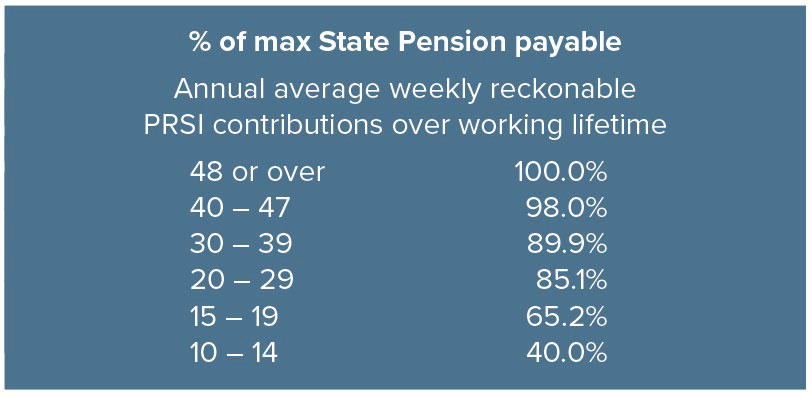
In the UK, there are two main types of state pension: the Basic State Pension and the New State Pension. The latter was introduced in April 2016, simplifying the previous system. To qualify for the New State Pension, individuals typically need at least 10 qualifying years on their National Insurance record. The full amount of the New State Pension as of 2023 is £203.85 per week, although the exact amount may differ depending on individual circumstances.
Current Developments
As of 2023, there have been several significant developments affecting the state pension. The UK government announced a planned increase in the state pension rate in line with inflation, which is expected to help maintain the purchasing power of retirees amidst rising living costs. This increase is particularly important given the inflation rates are hitting a 30-year high, affecting many households across the country.
Moreover, changes in government policy and economic factors, including the impact of Brexit and the COVID-19 pandemic, have generated discussions regarding sustainability of the pension system. Analysts are concerned about the long-term viability of pension funds if demographic trends continue, with an aging population relying more on state support.
Future Considerations
Looking ahead, individuals approaching retirement should consider their pension contributions carefully. The government continues to review eligibility criteria and contribution rates, hinting that adjustments may be necessary to ensure the system’s longevity. Financial advisers recommend that individuals also explore private pension schemes to supplement their state pension, providing a more comfortable retirement.
Conclusion
The state pension remains a fundamental element of financial security for millions of retirees in the UK. While the recent increases provide some respite, ongoing discussions about pensions’ future highlight the need for individual awareness and proactive planning. As the economic landscape shifts, it is essential for citizens to stay informed about their entitlements and the steps they can take to secure their financial wellbeing in retirement.