Introduction
Transport for London (TFL) plays a crucial role in the daily lives of millions of commuters and travellers in London. As the body responsible for managing the city’s public transport system, TFL influences not just the flow of traffic, but also the economic and environmental aspects of urban mobility. With increasing demand for efficient transportation solutions and recent challenges posed by the COVID-19 pandemic, TFL continues to evolve to meet the needs of its users.
Recent Developments
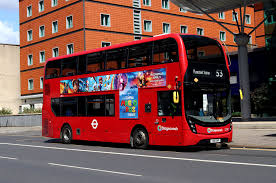
In recent months, TFL has been at the forefront of discussions around transport reform and sustainability. On September 25, 2023, TFL launched its new ‘Sustainable Transport Initiative’, aimed at reducing carbon emissions and promoting greener travel options. This initiative includes the introduction of more electric buses, expansion of cycling lanes, and improved pedestrian pathways across the city. Public response has been largely positive, with many Londoners applauding the focus on environmental impact.
Additionally, TFL has announced the implementation of a contactless payment system across all services, which is expected to roll out by the end of 2023. This system aims to simplify fare payments and reduce queue times at stations. Commuters can look forward to avoiding cash transactions, making their travel experience smoother than ever.
Upcoming Changes and Challenges
Despite the positive advancements, TFL is also navigating some challenges. They are currently engaged in discussions with local councils regarding fare adjustments to accommodate rising operational costs while ensuring public transport remains accessible to all. The recent cut to government funding has left TFL assessing possible fare increases and service alterations.
The transport body is also considering ways to improve congestion on the Tube during peak hours. Plans are in discussion to introduce additional trains during rush hours and enhance real-time updates for commuters, allowing for better planning and less overcrowding.
Conclusion
TFL continues to play an essential role in shaping London’s transport landscape. As they implement sustainable practices and advance technology in transport payments, the goal remains clear: to provide safe, efficient, and eco-friendly transit options for all Londoners. As challenges arise, it will be vital for TFL to maintain a balance between operational sustainability and affordability for the diverse population of the capital. The forthcoming plans will ultimately shape the future of transport in London and influence how residents and visitors navigate the city.