Introduction
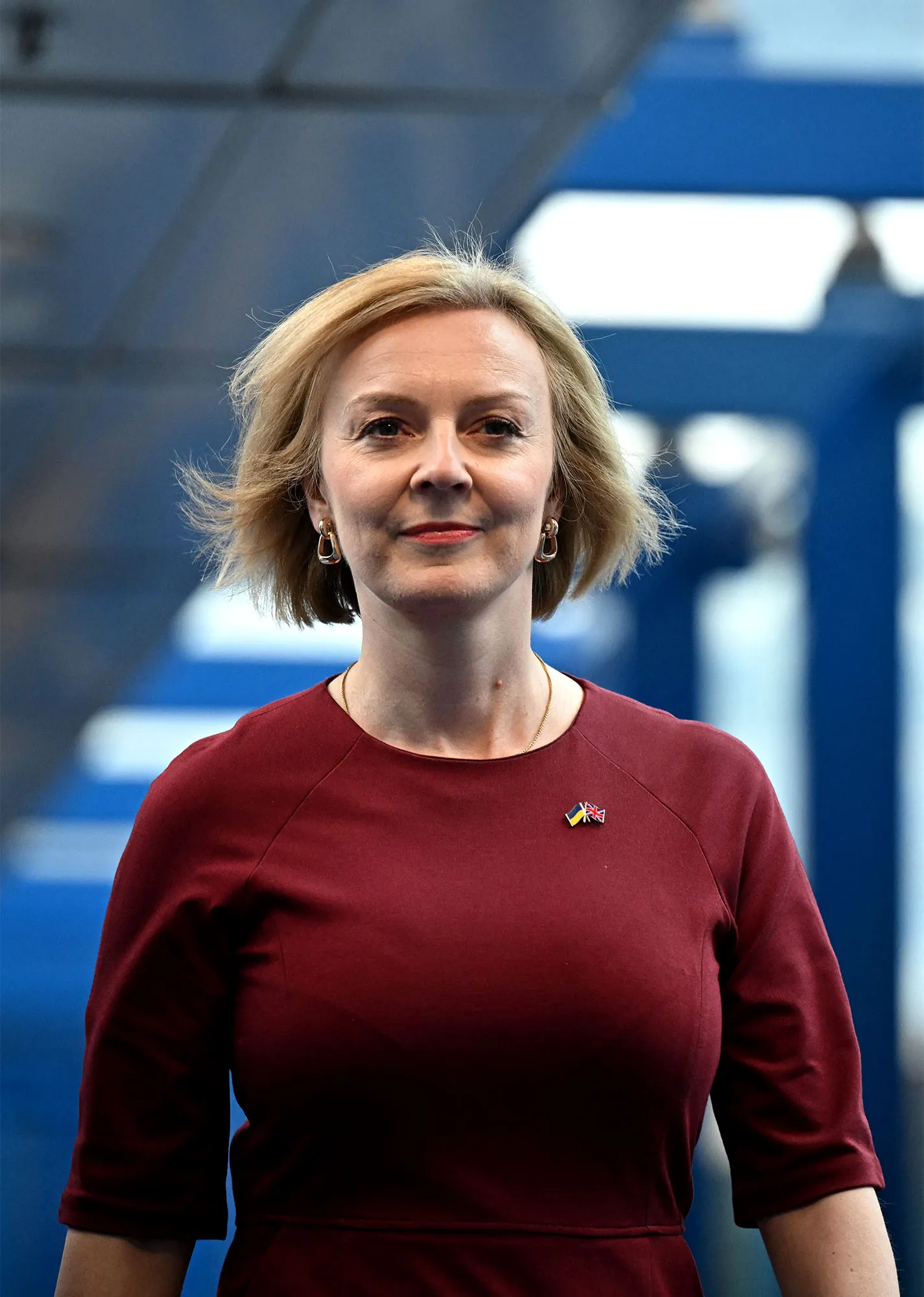
Liz Truss, a prominent figure in UK politics, has become a focal point of discussion following her brief tenure as Prime Minister in 2022. Truss’s journey represents a significant chapter in the evolving landscape of British politics, characterized by rapid changes and challenges. Understanding her policies, leadership style, and the implications of her premiership is crucial for comprehending contemporary political dynamics in the UK.
Early Life and Political Career
Born on July 26, 1975, in Oxford, Liz Truss was educated at the University of Oxford, where she studied Philosophy, Politics, and Economics. She entered politics by becoming the Member of Parliament for South West Norfolk in 2010. Over the years, she held various positions in government, including Secretary of State for Environment, Food and Rural Affairs, and later, Secretary of State for International Trade.
Prime Ministership
Truss became Prime Minister in September 2022, succeeding Boris Johnson. Her time in office was marked by ambitious proposals, particularly in economic policy aimed at stimulating growth through tax cuts. However, her administration faced immediate backlash following the announcement of a controversial mini-budget, which led to turmoil in the financial markets and significant criticism from both the opposition and members of her party. The economic instability resulted in a loss of confidence, ultimately leading to her resignation after just 49 days in office, making her the shortest-serving Prime Minister in UK history.
Current Impact and Future Prospects
Since her resignation, Liz Truss has remained active in public discourse, often engaging with various think tanks and conservative groups. Her views on fiscal policy and governance continue to be debated within party circles and beyond. As the UK navigates ongoing economic challenges and political realignments, Truss’s policies and approach may serve as a reference for emerging leaders and political strategies.
Conclusion
Liz Truss’s political journey, highlighted by her brief term as Prime Minister, raises questions about leadership effectiveness in times of crisis. Her experience underscores the volatility of modern politics, especially within the Conservative Party. Future leaders can learn from her tenure, as the UK continues to contend with pressing economic issues and the quest for effective governance. The implications of her decisions will likely resonate within political conversations as the nation seeks stability and direction in the years to come.