Introduction
Greater Anglia is a vital rail service provider in East Anglia, connecting key cities and towns across the region. With ongoing developments and improvements, the service remains crucial to local commuters and the economy. Recent changes and enhancements have garnered significant attention, making it an important topic for both local residents and policymakers.
Current Services and Offerings
Greater Anglia operates an extensive network of train services that connect London to various East Anglian towns and cities, including Norwich, Ipswich, and Cambridge. The rail company is known for its commitment to providing reliable and punctual services, which is vital for daily commuters and travellers.
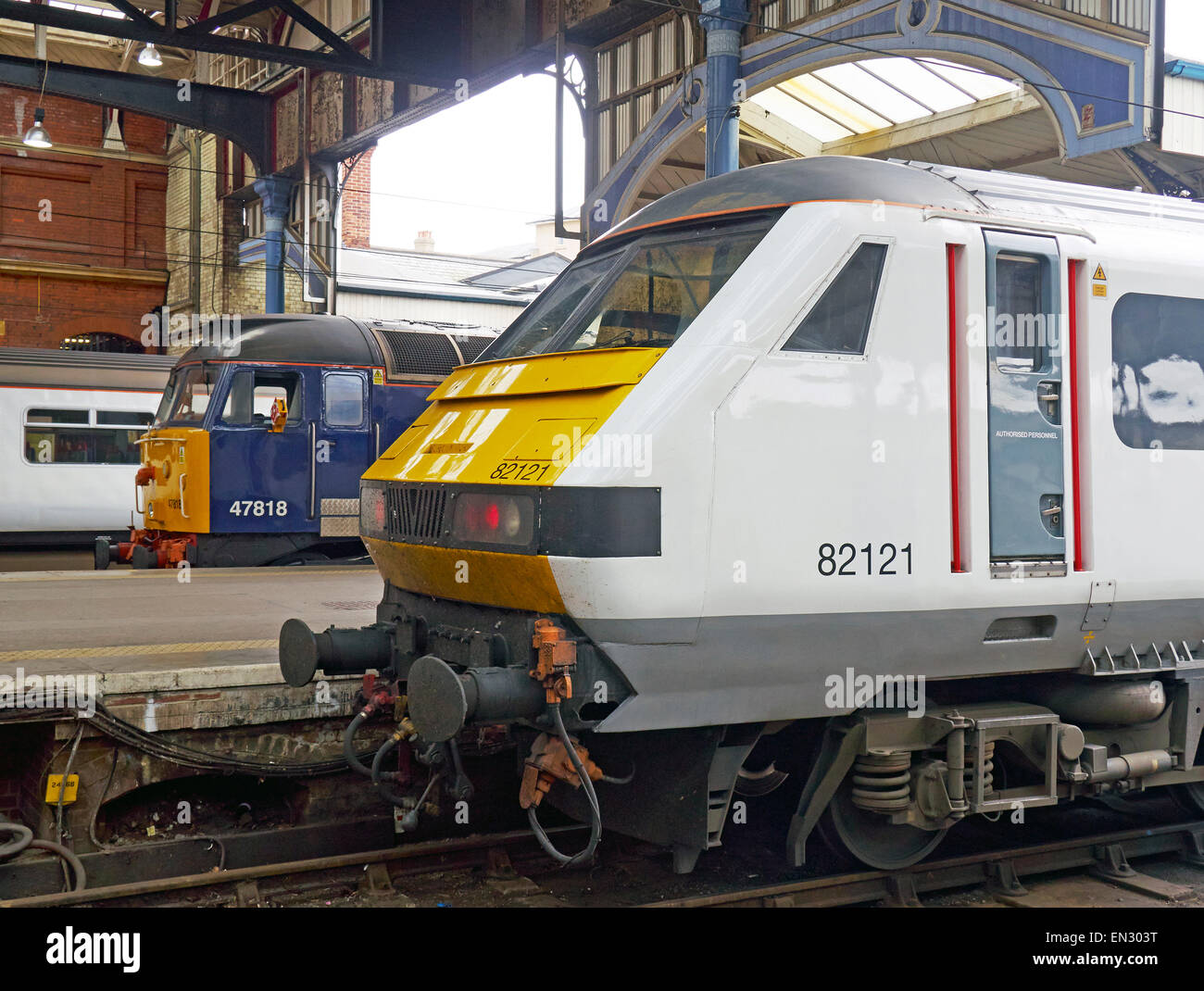
Recently, Greater Anglia has introduced new rolling stock, with trains designed to improve comfort and efficiency. The new fleet includes state-of-the-art trains featuring enhanced seating, better access for disabled passengers, and onboard facilities such as Wi-Fi and refreshment options. These developments are part of a wider strategy to enhance customer experience across the network.
Investment and Infrastructure Improvements
The company has made significant investments in station upgrades and track enhancements. Major projects include improvements at key stations such as Norwich and Cambridge, which will provide better facilities and accessibility for passengers. These upgrades aim to accommodate increasing passenger numbers and improve safety and security on the network.
In addition to station enhancements, Greater Anglia is actively working on electrification projects to reduce carbon emissions and improve travel times. This move towards more sustainable transport aligns with the UK’s broader environmental goals, highlighting the significance of rail transport in reducing the nation’s carbon footprint.
Challenges and Future Outlook
Despite the advancements, Greater Anglia faces challenges, particularly in the wake of the COVID-19 pandemic, which initially led to decreased passenger numbers. However, recent data suggests a steady recovery in ridership as commuters return to work and leisure travel rises. Greater Anglia anticipates that implementing new safety measures will further bolster passenger confidence.
Conclusion
The developments and services offered by Greater Anglia play a critical role in the revitalisation of public transport in East Anglia. With ongoing infrastructure improvements and a commitment to sustainability, the future looks promising for the rail operator. As the transport landscape continues to evolve, Greater Anglia’s adaptability will be essential in meeting the demands of its passengers, making it a key subject for readers interested in regional transport and community connectivity.