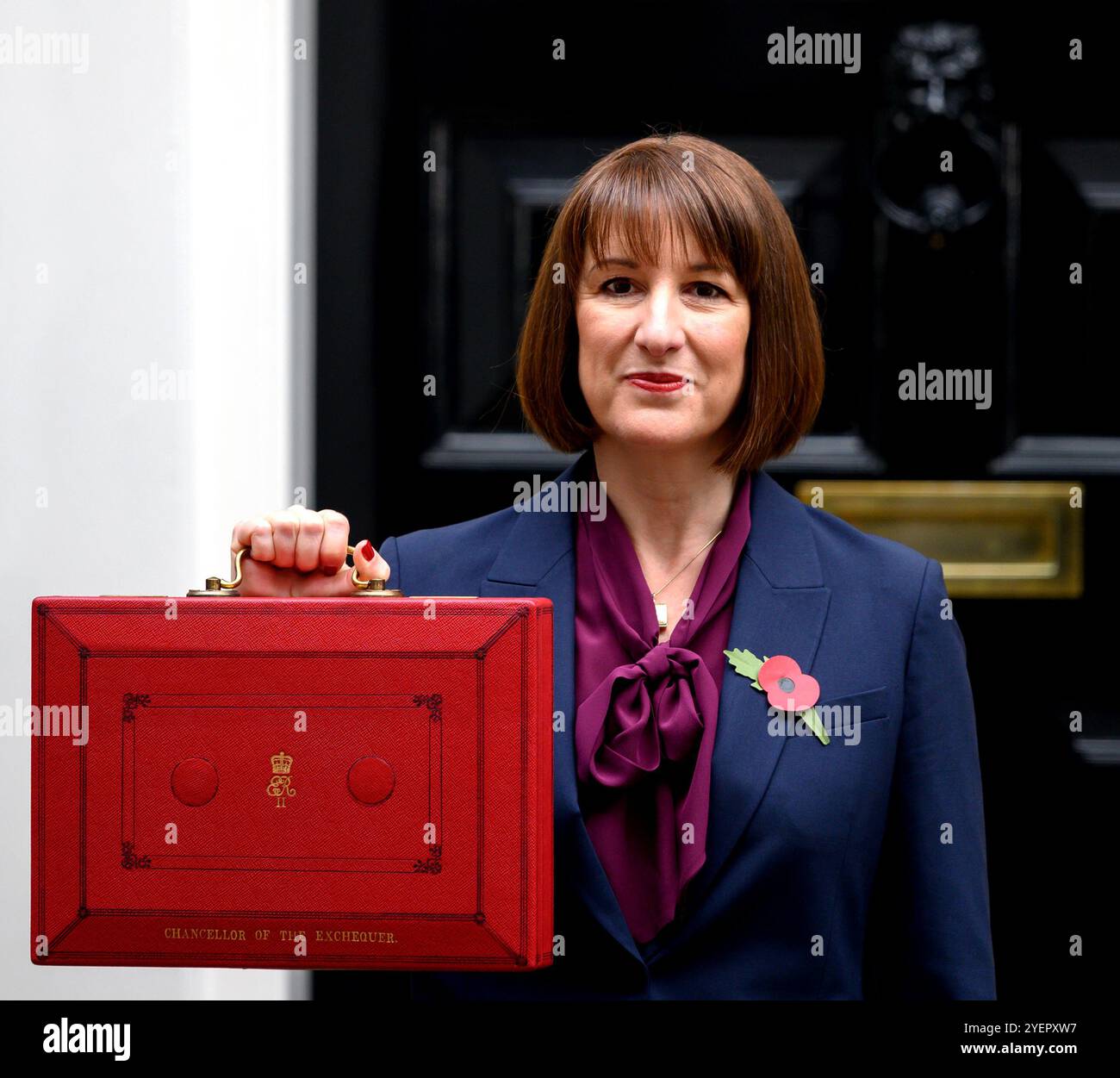
Introduction: The Rise of Rachel Reeves
Rachel Reeves has emerged as a crucial figure in British politics, particularly within the Labour Party. Her prominence has grown significantly, especially as the economy faces numerous challenges. Understanding Reeves’ role and her policies is vital for comprehending the future of the Labour Party and the broader political landscape in the UK.
Current Position and Responsibilities
As the Shadow Chancellor of the Exchequer, Rachel Reeves bears a substantial responsibility in shaping the economic narrative for the Labour Party. Appointed to this role in 2020, she has been vocal about her commitment to responsible economic management and fostering growth. With the cost-of-living crisis weighing heavily on voters, her strategies are under close scrutiny.
Recent Developments
Reeves recently outlined Labour’s vision for economic recovery in a speech at the Labour Party conference. She emphasised the need for a fairer economy that invests in public services and supports those hit hardest by inflation. Her proposals include tax reforms aimed at wealthier individuals and corporations, citing the need for a balanced approach that ensures prosperity is shared across all demographics.
Moreover, Rachel Reeves has stressed the importance of addressing climate change as part of economic planning. By proposing investments in green technologies, she aims to not only tackle environmental issues but also to create jobs, thereby stimulating economic growth in a sustainable manner.
Contributions to Policy Debate
Reeves has been actively involved in debating key policy issues in Parliament. Her background in economics and her previous work in the Bank of England provide her with a strong analytical foundation for discussing fiscal policies. In her speeches, she frequently challenges the Conservative government’s fiscal strategies, arguing that their approach has exacerbated economic inequalities.
Conclusion: The Future of Rachel Reeves and Her Impact
As the UK approaches the next general election, Rachel Reeves’ position is critical in shaping Labour’s economic narrative. Her commitment to a fairer economy, combined with her focus on green investment, resonates with many voters concerned about social and environmental issues. Observers expect that her influence will continue to grow as she plays a pivotal role in defining the Labour Party’s direction. For readers, understanding her policies and perspectives is essential, as they could significantly impact the future political landscape of the UK.