The Significance of Government Borrowing
Government borrowing plays a critical role in managing a country’s economy, particularly in times of economic uncertainty. By borrowing funds, governments can finance public services, stimulate economic growth, and respond to emergencies like pandemics or natural disasters. Understanding the dynamics of government borrowing is essential for citizens and economists alike, as it influences fiscal policies and future economic stability.
Current Trends in Government Borrowing
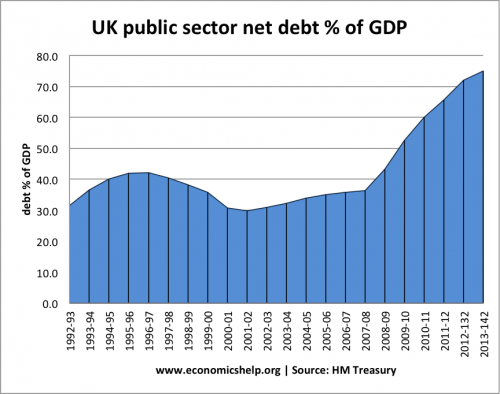
As of late 2023, many countries are witnessing a marked increase in government borrowing. For instance, according to the International Monetary Fund (IMF), advanced economies have seen an average increase in public debt levels by over 20% since the onset of the COVID-19 pandemic. The United Kingdom, for example, has reported its public sector net debt reaching £2.5 trillion, at approximately 100% of its Gross Domestic Product (GDP).
This trend is largely attributed to extensive fiscal measures implemented to support businesses and individuals during periods of lockdown and economic slowdown. Recent analysis has indicated that sustained government borrowing is necessary to fund increased healthcare spending, tackle inflation, and support post-pandemic recovery efforts. Moreover, the British government has unveiled plans to increase borrowing to facilitate infrastructural projects aimed at stimulating job creation and economic development.
Implications for the Future
While government borrowing can provide short-term relief and long-term growth, excessive reliance on debt may lead to complications. Economists warn that high levels of national debt could pressure governments to increase taxes or cut public spending in the future to manage debt repayments. Such measures could slow economic recovery and adversely impact public services.
Furthermore, the Bank of England has raised concerns about inflation and interest rates in response to the rising debt levels, which could affect future borrowing costs. Experts predict that while some level of borrowing could remain necessary, governments must develop strategies to manage these debts sustainably.
Conclusion
In conclusion, government borrowing remains a double-edged sword; it is vital for maintaining public services and stimulating growth, yet if not managed responsibly, it can lead to significant long-term ramifications. As countries navigate recovery from the pandemic and face new economic challenges, the balance between necessary borrowing and financial prudence will be crucial. Citizens should remain informed about these developments, as the implications of government borrowing directly affect their economic well-being and the sustainability of public services.