Introduction to Belfast International Airport
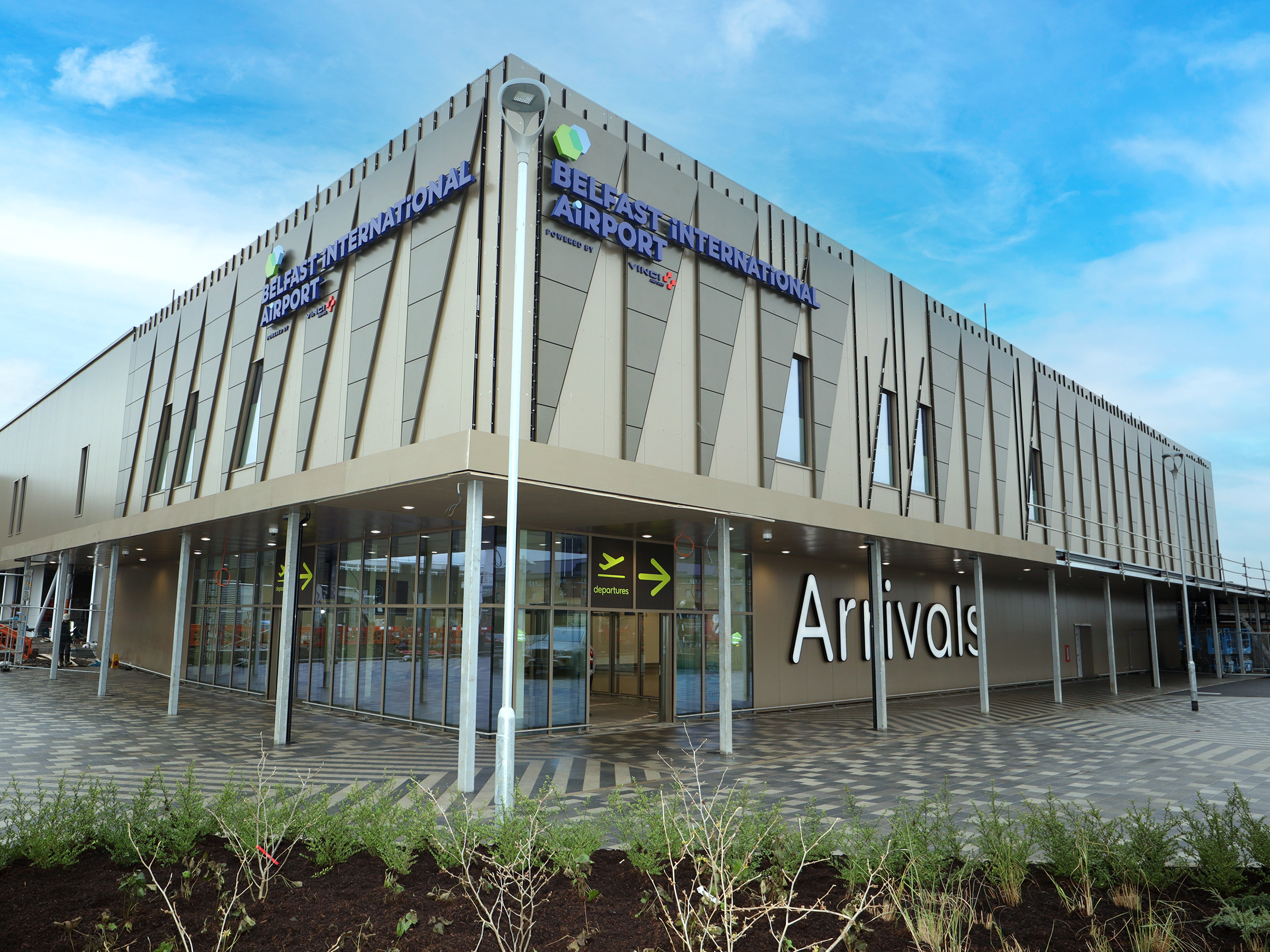
Belfast International Airport (BFS) serves as Northern Ireland’s primary airport, facilitating both domestic and international travel. Located approximately 13 miles northwest of Belfast city centre, it plays a crucial role in connecting travellers with various destinations across Europe and beyond. The airport’s strategic importance has only heightened as travel demand increases post-pandemic.
Recent Developments at Belfast International Airport
In recent months, Belfast International Airport has seen a notable resurgence in passenger numbers, reflecting a broader trend of recovery in the aviation industry. In the summer of 2023, the airport reported a 20% increase in flight bookings compared to the same period in 2019, underscoring the pent-up demand for travel. To accommodate this growth, the airport management has announced plans for significant upgrades to its terminal facilities and enhancements to passenger services.
In addition, several new routes have been launched, including direct flights to European cities such as Barcelona, Budapest, and Nice, making it easier for local travellers to explore popular destinations. Furthermore, the airport has strengthened partnerships with existing airlines, in a bid to offer increased flexibility and better options for passengers.
Importance of the Airport for the Local Economy
Belfast International Airport is not only a gateway for global travel but also a major contributor to the local economy. It supports thousands of jobs in the region, both directly and indirectly. The tourism sector specifically benefits from the airport’s connectivity, attracting visitors to Northern Ireland’s historic sites, cultural events, and natural beauty.
As the economy continues to recover, the airport’s ongoing development promises to create additional employment opportunities and stimulate local businesses connected to the travel and hospitality sectors.
Conclusion: Looking Towards the Future
Belfast International Airport stands at a crucial juncture as it adapts to changing travel demands and invests in its infrastructure for the future. With plans for modernisation, the opening of new routes, and increasing passenger numbers, the airport is poised to play a significant role in fostering growth in Northern Ireland’s economy and enhancing its accessibility to the world. For travellers, these developments mean more options, better services, and an improved travel experience. As we move towards 2024, the outlook remains optimistic for Belfast International Airport.