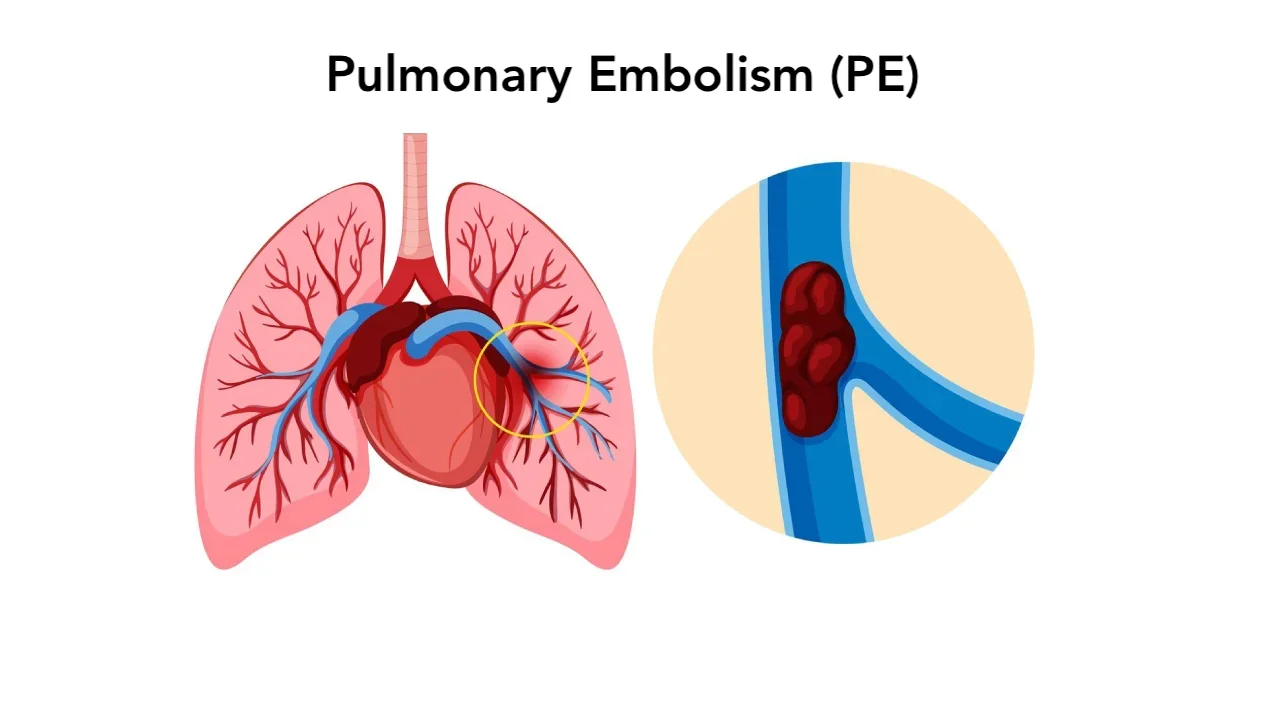
What is Pulmonary Embolism?
Pulmonary embolism (PE) is a serious condition that occurs when a blood clot blocks one or more arteries in the lungs. This interruption of normal blood flow can lead to severe respiratory complications, including sudden death. Understanding pulmonary embolism is crucial as it can arise without warning, posing significant health risks.
Causes and Risk Factors
The primary cause of pulmonary embolism is deep vein thrombosis (DVT), where blood clots form in the deep veins of the legs or other parts of the body and subsequently dislodge, travelling to the lungs. Risk factors include prolonged immobility, recent surgery, obesity, smoking, and certain medical conditions such as cancer or genetic predispositions.
Symptoms to Watch For
Symptoms of pulmonary embolism can vary significantly. Common signs include sudden shortness of breath, chest pain (which may worsen with deep breaths), rapid heart rate, and coughing up blood. Some individuals may also experience dizziness or fainting. Due to the rapid onset of symptoms, recognising them early can be life-saving.
Recent Developments in Diagnosis and Treatment
With advancements in medical technology, diagnosing pulmonary embolism has become more efficient. Imaging techniques like CT pulmonary angiography are now commonly used. In recent months, several studies have emphasised the importance of early detection and tailored treatment plans, which may include anticoagulants to dissolve clots or, in critical cases, surgical interventions.
Conclusion and Future Outlook
The growing awareness and understanding of pulmonary embolism are leading to better outcomes for patients. Public health initiatives focusing on prevention, especially in high-risk groups, are crucial. As research continues, emerging findings could improve treatment protocols further and reduce mortality rates associated with this dangerous condition. For the general public, being informed about the risk factors and symptoms can lead to timely medical intervention and potentially save lives.