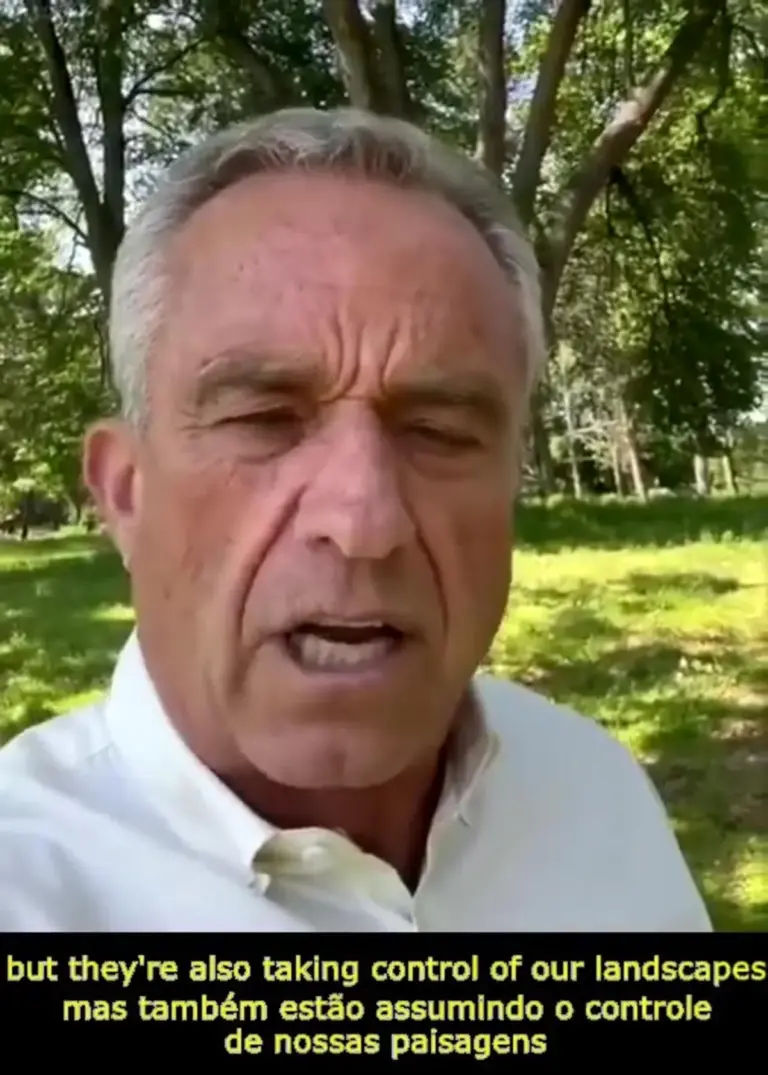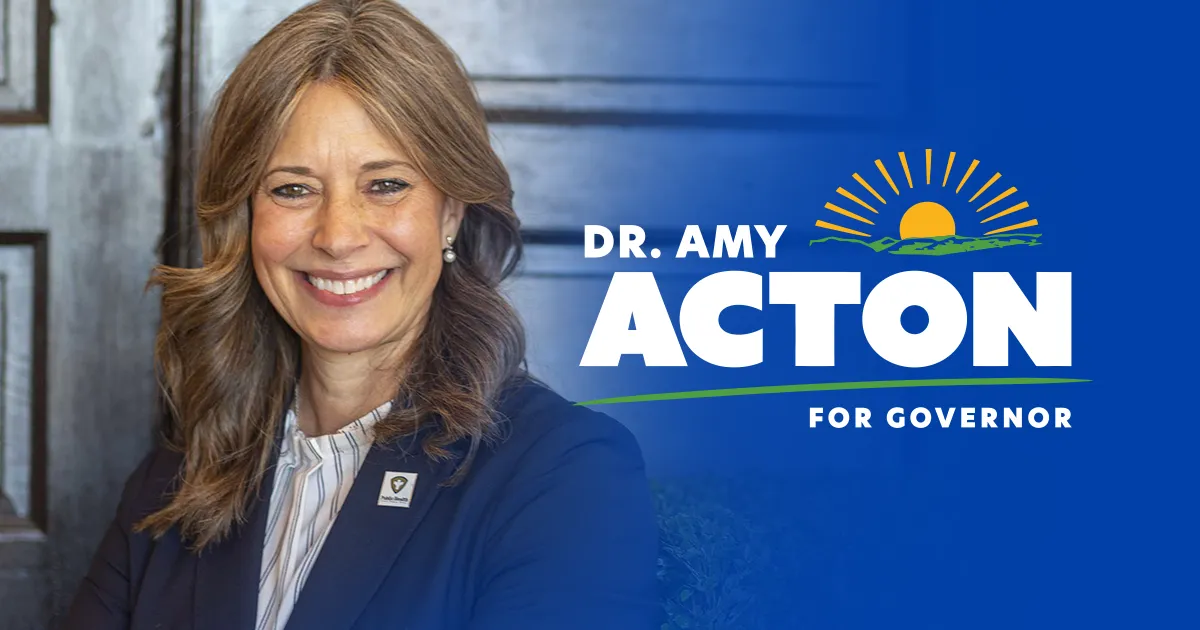
Amy Acton and Vivek Ramaswamy, both political newcomers, will face off in a highly anticipated gubernatorial election in Ohio after winning their respective primaries. Acton emerged as the Democratic nominee while Ramaswamy claimed the Republican nomination, setting the stage for a competitive race.
Acton, known for her role as Ohio’s health director during the COVID-19 pandemic, raised over $10 million for her campaign. She described her motivation by saying, “I am running for governor because people in this state are struggling.” Her campaign has focused on addressing the needs of everyday Ohioans.
On the other hand, Ramaswamy has made headlines with his aggressive fundraising strategy, spending $25 million on campaign ads—matching a personal loan of the same amount. He has received endorsements from President Donald Trump and the Ohio Republican Party. Ramaswamy remarked, “There has never been a greater contrast between two candidates,” highlighting the differences in their approaches.
While Acton was unopposed in the Democratic primary, Ramaswamy faced a challenge from Casey Putsch. The last Democrat to serve as Ohio Governor was Ted Strickland, who left office in 2011. This election marks a pivotal moment for the Democratic Party as they aim to reclaim the governor’s mansion.
Both candidates have articulated their visions for Ohio’s future. Acton promised that “no one will ever be invisible to me,” emphasizing her commitment to inclusivity and support for marginalized communities. In contrast, Ramaswamy criticized Acton’s policies, claiming she “villainizes success,” which he argues could hinder economic growth.
As they gear up for the general election on November 1, 2026, observers are keenly watching how their campaigns evolve. The outcome could significantly impact Ohio’s political landscape and set the tone for future elections.
The stakes are high as both candidates mobilize their supporters and strategize their next moves. With differing views on key issues like economic recovery and public health response, voters will soon have to decide which vision aligns best with their hopes for Ohio’s future.