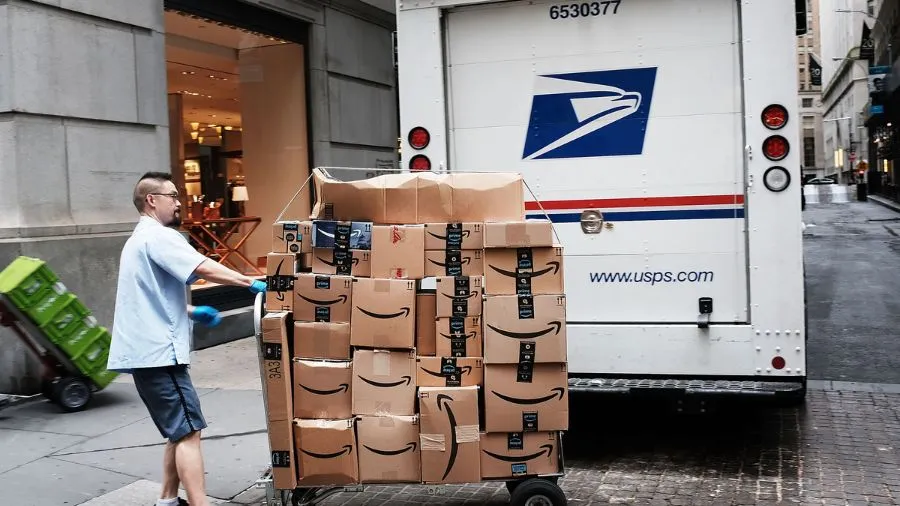
The recent agreement between Amazon and the U.S. Postal Service (USPS) marks a significant development for both entities, ensuring that USPS will retain about 80% of its existing deliveries from Amazon. This deal is crucial as Amazon represents approximately $6 billion in annual revenue for USPS, a lifeline for the postal service amidst its ongoing financial struggles.
USPS, which delivers around 1.7 billion packages annually for Amazon, had previously faced the daunting prospect of losing a substantial portion of this business. Amazon had threatened to cut USPS deliveries by two-thirds, a move that could have resulted in over $1 billion in lost revenue for the postal service.
The urgency of this agreement is underscored by USPS’s financial challenges, having reported net losses of $118 billion since 2007. Just last month, USPS warned that it could run out of cash as soon as October, highlighting the precarious nature of its operations.
Amazon’s contract with USPS was set to expire in September 2026, prompting both parties to negotiate a new agreement to secure their partnership. The deal not only stabilizes USPS’s revenue stream but also allows Amazon to continue providing reliable delivery services to its customers.
An Amazon spokesperson expressed satisfaction with the new agreement, stating, “We’re pleased to have reached a new agreement with USPS that furthers our longstanding partnership and will let us continue supporting our customers and communities together.” This sentiment reflects the importance of collaboration between the two organizations in serving the public effectively.
As the logistics landscape continues to evolve, this agreement serves as a reminder of the interdependence between major corporations and public services. The partnership is essential not only for the financial health of USPS but also for the communities that rely on timely deliveries.
While the agreement secures a significant portion of deliveries, the future remains uncertain as both parties navigate the complexities of the logistics industry. Details remain unconfirmed regarding the long-term implications of this deal and how it might affect future negotiations.