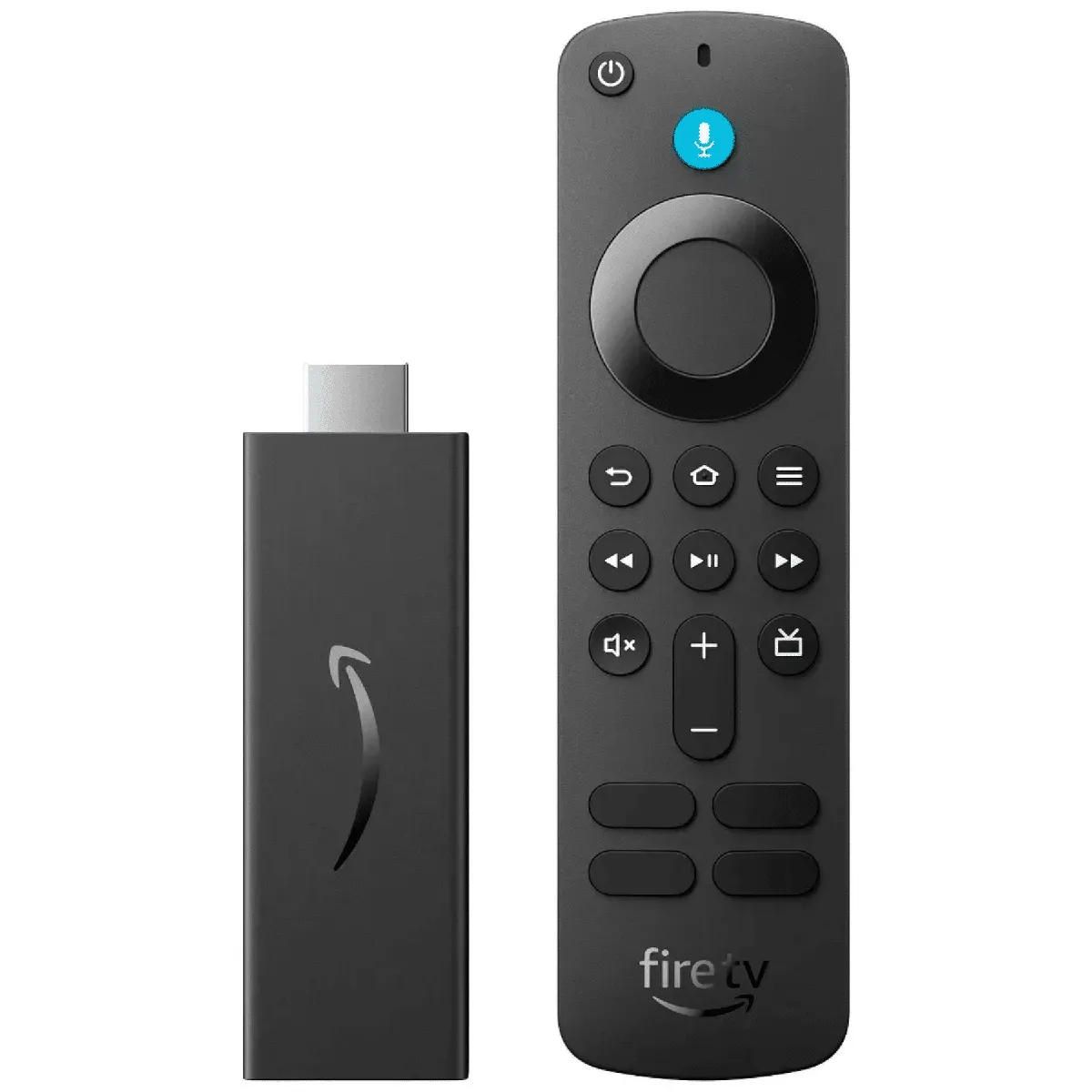
The recent class action lawsuit filed by Bill Merewhuader against Amazon.com Inc. and Amazon.com Services LLC has brought to light serious concerns regarding the functionality of Fire TV Stick devices. The lawsuit, initiated in California state court, alleges that Amazon misled consumers by selling devices that were unlawfully disabled through software updates. This development has sparked discussions about consumer rights and the responsibilities of tech companies in providing ongoing support for their products.
Merewhuader claims that he purchased two second-generation Fire TV Stick devices in 2018, expecting them to deliver seamless access to streaming content. However, he alleges that Amazon intentionally rendered older devices unusable by discontinuing software support, a practice described in the lawsuit as “bricking.” This term refers to the situation where devices lose their primary functionality despite the hardware remaining intact, leaving consumers frustrated and without the services they paid for.
According to the lawsuit, Amazon stopped providing software updates for first-generation Fire TV Stick devices in December 2022, which has raised questions about the company’s commitment to its customers. Merewhuader asserts that he experienced significant performance issues with his devices within a few years of purchase, leading him to feel compelled to buy newer versions in 2024. He argues that Amazon failed to disclose the potential for reduced or eliminated core streaming functionality before the end of the hardware’s useful life.
The lawsuit seeks damages, restitution, injunctive relief, and attorneys’ fees, highlighting the need for accountability in the tech industry. Merewhuader’s claims are grounded in California consumer protection laws and breach of contract, emphasizing the importance of transparency in marketing and product support. The case also cites concerns raised by federal regulators about companies using software updates to restrict product functionality, a practice that could have broader implications for consumers across various technology sectors.
As the lawsuit unfolds, observers are keenly watching how this case may influence future regulations regarding software support and consumer rights. The implications of this lawsuit could extend beyond just the Fire TV Stick, potentially affecting how tech companies approach software updates and product longevity. The outcome may set a precedent for how consumers are treated in the rapidly evolving landscape of technology.
In light of these developments, it is crucial for consumers to remain informed about their rights and the products they purchase. The lawsuit serves as a reminder of the importance of holding companies accountable for their practices, especially when it comes to essential devices that many rely on for entertainment and information. As the legal proceedings progress, the tech community and consumers alike will be watching closely to see how Amazon responds to these allegations and what changes may arise in the industry as a result.
Details remain unconfirmed regarding Amazon’s official response to the lawsuit and any potential changes in their policies related to software updates and device support. The outcome of this case could have significant ramifications for consumer trust and the future of technology products.