Introduction
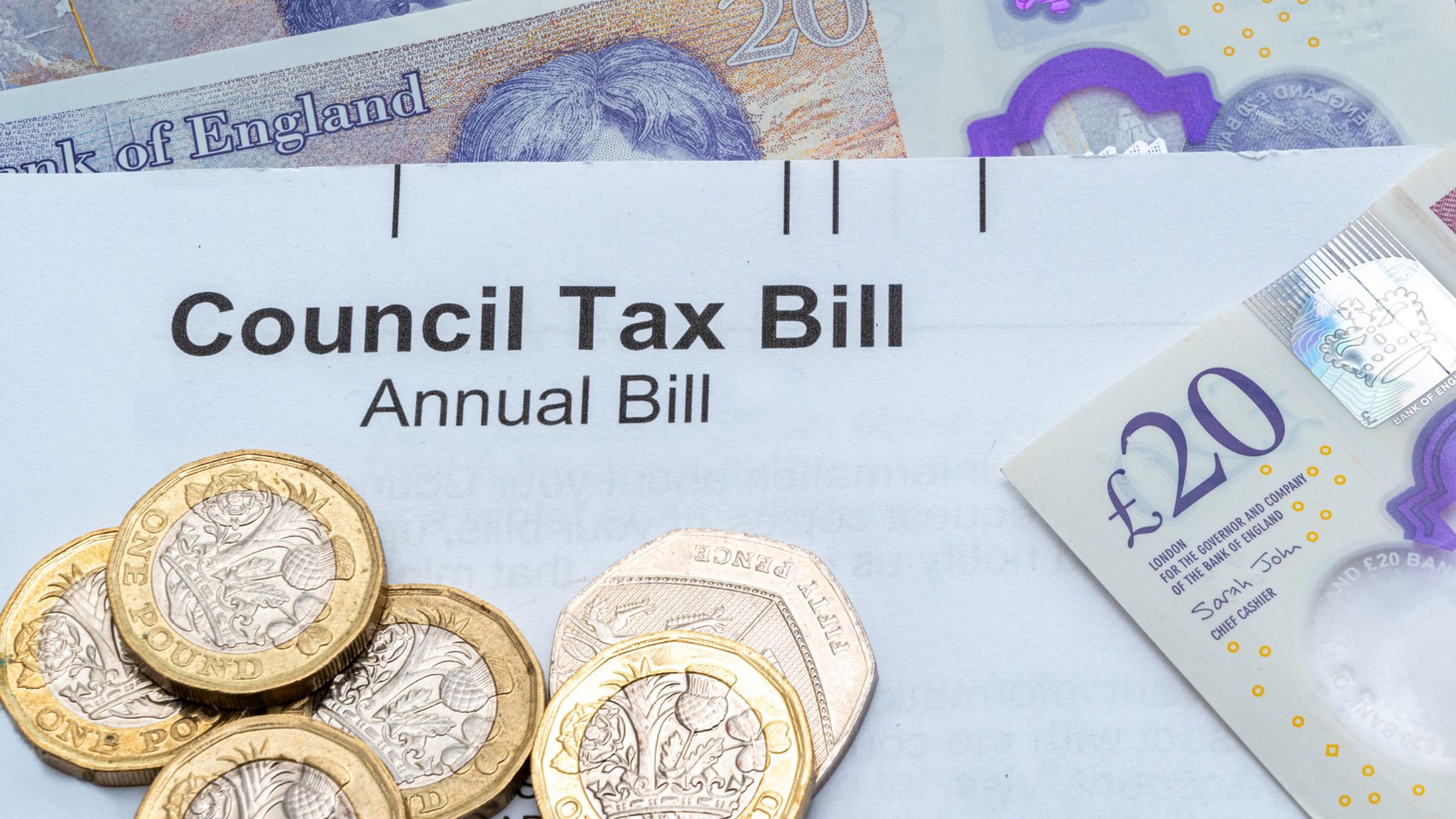
Council tax is an essential aspect of local government funding in the United Kingdom. Every household is required to pay this tax to their local council, which supports public services such as waste collection, education, and social care. In recent months, the council tax has become increasingly important due to rising living costs and changes in local government funding. Understanding how council tax works, the current changes, and their implications is vital for residents.
The Structure of Council Tax
Council tax is calculated based on the estimated value of a property, categorised into bands ranging from A to H, with A being the lowest value and H the highest. Local councils assess properties to assign them a band, which determines the amount of tax payable. This system seeks to reflect property values, although concerns regarding fairness have been raised, especially as the last major re-evaluation took place in 1991.
Current Changes in Council Tax
In 2023, many councils across England have noted an increase in council tax rates to cope with rising costs and budget deficits. The Local Government Association (LGA) has reported that numerous councils are facing significant funding gaps, prompting them to consider raising tax rates to maintain vital services. For instance, some councils have proposed increases of up to 5% as they navigate financial pressures exacerbated by inflation.
Impact on Households
The increase in council tax rates is particularly concerning for households experiencing financial strain, especially those impacted by the ongoing cost-of-living crisis. For a typical band D property, a tax rise of 5% could mean an additional £100 in costs, further stretching tight budgets. Many social advocacy groups have voiced concerns over these increases and are urging councils to consider alternative funding mechanisms, like increased central government support, to avoid additional burdens on residents.
Conclusion
The importance of understanding council tax cannot be overstated, particularly as changes arise that directly impact residents’ finances. As debates continue regarding the fairness and structure of council tax, it is essential for taxpayers to stay informed about any updates affecting their household bills. With discussions around funding for local services becoming more prominent, the future landscape of council tax may see significant changes in the years to come, making active community engagement and awareness crucial for residents.



