Introduction
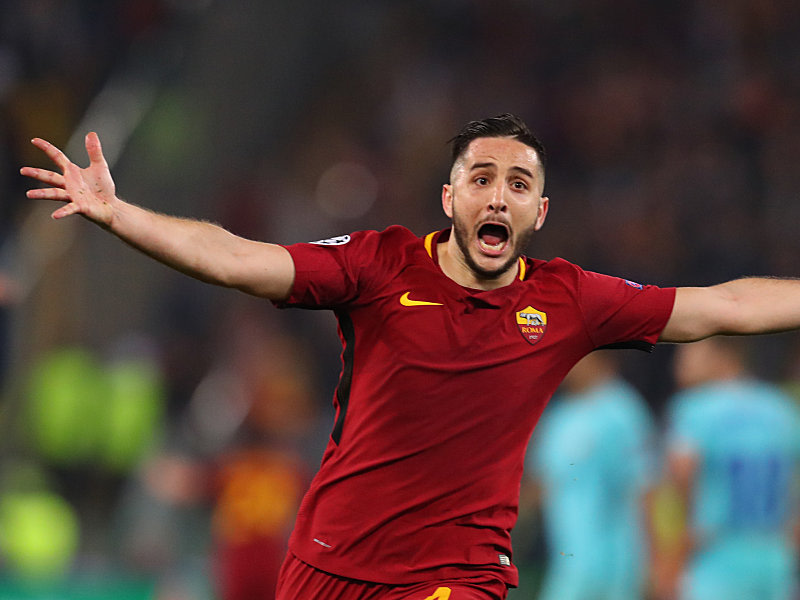
Roma FC, officially known as Associazione Sportiva Roma, is one of Italy’s most prestigious football clubs, based in Rome. Established in 1927, the club has a rich history intertwined with the passionate culture of Italian football. The significance of Roma FC is not only found in their on-field performance but also in the loyal fanbase and the rivalry with clubs like Lazio, making them an integral part of Italian sports history. Their logo, a she-wolf nursing twin infants, symbolises the city’s founding myth, solidifying their identity within the local and national landscape.
Historical Background
Roma FC was formed to consolidate several local clubs and has since built a legacy of resilience, showcasing remarkable talents over the decades. The club has won three Serie A titles (1941-42, 1982-83, and 2000-01) and numerous Coppa Italia trophies, with notable players such as Francesco Totti, Daniele De Rossi, and current stars making the history books. Rivalry plays a significant role in their narrative, particularly the ‘Derby della Capitale,’ featuring fierce competition against Lazio.
Current Season Performance
As of the 2023-2024 season, Roma FC is actively competing in Serie A and European competitions. Managed by José Mourinho, the club aims to secure a top position in the league while showcasing their prowess in the UEFA Champions League. The early season has seen mixed results, with key victories against rivals and some unexpected losses. The squad depth, complemented by new signings during the summer transfer window, indicates a potential shift towards a more competitive edge.
Fan Culture and Community Engagement
Roma FC prides itself on its passionate supporters, known as ‘Giallorossi’, who fill the Stadio Olimpico during matches, creating an electric atmosphere that embodies the spirit of the club. The community engagement initiatives, including youth academies and charity events, underline the club’s commitment to societal contributions, further rooting them as a cornerstone of Roman identity.
Conclusion
As Roma FC continues to navigate the challenges of the current season, the club remains a symbol of pride and tenacity for its supporters. With ambitions to restore its place among the top clubs in Italy and Europe, the focus will be on player development, strategic gameplay, and maintaining the strong bond with their fanbase. Looking ahead, Roma FC certainly holds promise for an exciting football season, reflecting both the historical significance and the modern aspirations of one of football’s iconic teams.