Introduction
The Women’s Cricket World Cup is one of the most prestigious tournaments in women’s sports, highlighting the skills and talents of female cricketers globally. As the 2023 edition approaches, excitement is building not only among fans and players but also among various stakeholders who understand the event’s importance in promoting women’s sports. The competition provides a platform to showcase women’s cricket and inspire future generations of female athletes.
The Road to the 2023 World Cup
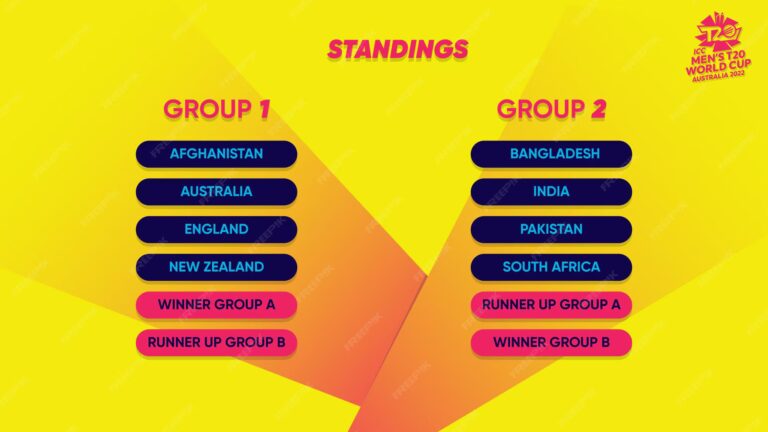
This year’s tournament, hosted by India from March 4 to April 26, features eight teams competing for the coveted title. The participating nations include India, England, Australia, New Zealand, South Africa, Bangladesh, Pakistan, and the West Indies, all of whom have worked tirelessly to secure their spots through a rigorous qualification process over the past few years.
With matches scheduled in several key cities, including Mumbai, Delhi, and Bangalore, the tournament aims to attract large crowds and generate significant media coverage, further enhancing the visibility of women’s cricket. The organising committee is taking deliberate measures to ensure accessibility and inclusivity, with dedicated initiatives to encourage more girls to participate in the sport.
Key Players and Expectations
Meg Lanning, captain of Australia, remains one of the most formidable players in the tournament’s history, known for her exceptional batting technique and leadership skills. Her performance will be closely watched as Australia aims to secure their third consecutive title. Additionally, England’s Heather Knight and India’s Smriti Mandhana are expected to make significant impacts on their respective teams, with their on-field prowess generating considerable expectations among fans.
The Broader Impact of the World Cup
The Women’s Cricket World Cup is not just a sporting event; it is a catalyst for change in the perception of women’s sports worldwide. Increased investment and sponsorship in women’s cricket have been evident, with organisations and brands recognising the commercial potential of promoting women’s athletics. This, in turn, provides greater opportunities for players and development programmes aimed at nurturing future talent.
Conclusion
The upcoming Women’s Cricket World Cup 2023 promises to be a landmark event, showcasing the growth of women’s cricket while setting a precedent for equality in sports. As teams vie for the championship, the spotlight will also be on the progress made in women’s sports, encouraging further support and recognition for female athletes. The tournament is not only about competition; it’s a celebration of resilience, empowerment, and the unyielding spirit of women in cricket, leaving a lasting legacy for years to come.