Introduction
The Gaza Strip, a small yet densely populated territory, continues to be a focal point of conflict and humanitarian crises in the Middle East. The recent escalation in violence has prompted global concern, highlighting the complex geopolitical dynamics at play. Understanding the historical context and current events in Gaza is essential for comprehending not only the suffering of its inhabitants but also the implications for regional stability and international relations.
Current Situation in Gaza
As of October 2023, the Gaza Strip has witnessed a surge in violence following heightened tensions between Hamas and Israeli forces. The recent conflict was triggered by a series of rocket attacks launched from Gaza into Israeli territory, prompting a significant military response from Israel. Reports indicate that hundreds of lives have been lost, and thousands have been displaced, exacerbating an already dire humanitarian situation.
In response to the escalating violence, international organisations and world leaders have called for ceasefires and peaceful negotiations. The United Nations and various non-governmental organisations are currently mobilising to provide humanitarian aid to the people of Gaza, who are facing shortages of food, water, and medical supplies. Access to essential services remains severely restricted due to ongoing military actions.
Humanitarian Impact
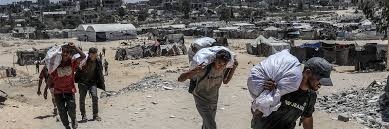
The humanitarian crisis in Gaza is profound. With a population of over 2 million, many of whom are refugees from past conflicts, the situation is increasingly desperate. According to UNICEF, approximately 1.6 million children in Gaza are in urgent need of assistance. Health facilities have been overwhelmed, exacerbated by the lack of medical supplies and the ongoing blockade of the territory.
Furthermore, the destruction of infrastructure, including homes, schools, and hospitals, poses significant long-term challenges for recovery and stability in the region. The international community is urged to respond swiftly, not only to address immediate needs but also to support pathways to a sustainable and lasting peace.
Conclusion
The conflict in Gaza is not merely a regional issue; its repercussions are felt worldwide. As global powers engage in dialogue and seek solutions, it remains crucial for governments and civil society to support humanitarian efforts and advocate for the rights and dignity of those affected. The path towards peace may be fraught with challenges, but understanding the intricacies of the Gaza conflict can help inform better strategies for resolution and aid. As we look ahead, the hope is for a ceasefire and renewed efforts toward peace that prioritise the wellbeing of the people caught in the crossfire.