Introduction
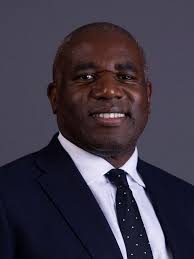
David Lammy, the Labour Member of Parliament for Tottenham and Shadow Foreign Secretary, has emerged as a significant figure in British politics. As the UK continues to navigate complex political landscapes, Lammy’s advocacy for social justice, equality, and international relations has made his role increasingly relevant in current affairs. This article delves into Lammy’s career, key initiatives, and the impact he has made within both local and international contexts.
Political Career
David Lammy was elected as the MP for Tottenham in 2000, becoming one of the youngest politicians to enter Parliament. He served in various governmental roles, including as Minister for Culture, Creative Industries, and Tourism under Tony Blair’s government. Known for his articulate speeches and passionate advocacy, Lammy has been a vocal critic of racism and inequality, pushing for a fairer society through numerous campaigns and public initiatives.
Recent Developments
In recent months, Lammy’s focus has included urgent global issues such as climate change, refugees, and international relations. As Shadow Foreign Secretary, he has been pivotal in shaping Labour’s foreign policy, advocating for diplomacy over military action. His recent statements during the ongoing humanitarian crises in regions like Gaza and Ukraine have emphasised his belief in human rights and international law. In his role, he has called for increased humanitarian aid and stronger measures to protect vulnerable populations, resonating with Labour’s commitment to social justice.
Community Engagement
Apart from his political career, Lammy is deeply connected with his constituency, regularly engaging with local communities. His recent initiatives include youth empowerment programmes aimed at reducing violence and unemployment in Tottenham, highlighting his commitment to the grassroots. Lammy has also championed education with various proposals aiming to reform the education system to better serve underprivileged children.
Conclusion
As David Lammy continues to influence British politics through his advocacy for social justice and equality, his presence is likely to grow in importance in the coming months. With a general election on the horizon and a shifting political landscape, Lammy’s perspectives on foreign policy and local issues will be crucial in shaping party strategy. His long-standing commitment to human rights and social equity not only enhances his credibility but also reinforces Labour’s objectives in addressing contemporary social challenges. Readers can expect to see more of Lammy’s efforts as he navigates complex issues impacting both the UK and the world every day.