Introduction
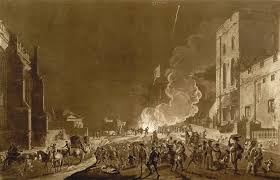
Guy Fawkes Day, also known as Bonfire Night, is observed on November 5th each year in the United Kingdom. The day commemorates the foiling of the Gunpowder Plot in 1605 when Guy Fawkes and his accomplices attempted to blow up the Houses of Parliament. This historical event has not only significant political implications but also cultural meaning, as the day has evolved into a nationwide celebration marked by fireworks, bonfires, and effigies of Fawkes.
Historical Context
The Gunpowder Plot was a failed conspiracy by a group of English Catholics who sought to assassinate King James I and restore Catholic rule in England. On the night of November 4, 1605, Fawkes was caught guarding a cache of explosives beneath the House of Lords, leading to his arrest and subsequent execution. The plot’s failure led to the passing of laws against Catholics, and November 5th was established as a day of thanksgiving. It’s a day that serves as a reminder of the struggles between Catholics and Protestants in England’s tumultuous history.
Modern-Day Celebrations
In contemporary Britain, Guy Fawkes Day is celebrated with various traditions. Bonfires are lit across the country, with many towns hosting large public displays featuring fireworks. Effigies of Guy Fawkes are commonly made and burned on these bonfires, representing the historical figure as a symbol of treachery. Families and communities gather to enjoy festivities, including traditional foods such as toffee apples and parkin, a type of ginger cake. While the day retains its historical significance, it has also become a social event that reflects the unity of communities.
Safety Regulations and Public Celebrations
In recent years, safety regulations surrounding fireworks have become increasingly important. Local councils often implement guidelines to ensure the safety of those attending public fireworks displays. The UK has seen a rise in organized events, which are considered safer than private firework usage due to the trained professionals overseeing the celebrations. Furthermore, campaigns have been launched to remind the public of the need to handle fireworks responsibly and respect the wildlife during this festive period.
Conclusion
Guy Fawkes Day remains a significant date in British culture, blending historical remembrance with modern celebration. As we approach November 5th each year, the traditions surrounding this day inspire not only reflection on historical events but also community bonding through festive participation. The significance of this day, with its roots deeply embedded in England’s history, shows that while times have changed, the essence of gathering, celebrating, and remembering continues to thrive.