Introduction: The Importance of Estadi Olímpic Lluís Companys
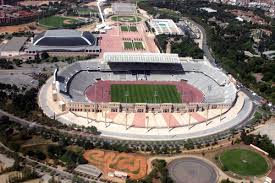
Estadi Olímpic Lluís Companys, situated in Barcelona, Spain, is a stadium with a rich history and significant cultural importance. Originally constructed for the 1929 International Exposition, and later serving as the main venue for the 1992 Summer Olympics, the stadium is not just a sports complex but a symbol of Barcelona’s architectural and sporting heritage. As urban development and sporting events evolve, it remains crucial for understanding how infrastructure influences community engagement and international exposure.
History and Significance
The stadium, initially known as Estadi Olímpic, underwent renovations for its role in the 1992 Olympics, where it hosted events such as athletics and football. Post-Olympics, it was renamed to honour Lluís Companys, a prominent Catalan political figure, reflecting the stadium’s connection to local identity and history. Furthermore, it has been the home ground for various local sports teams and has hosted concerts and cultural events, underscoring its versatility beyond athletics.
Recent reports indicate that the Estadi Olímpic Lluís Companys is undergoing further renovations to align with modern standards and improve accessibility. This development is pivotal as it shows a commitment to maintaining the stadium’s role as a central venue for both sports and community events. The anticipated upgrades are expected to not only enhance the visitor experience but also to contribute to the local economy by hosting more events.
Current Events and Future Prospects
In recent news, the stadium has been selected as one of the venues for upcoming international sporting events, which is expected to boost tourism and local business. Projects focusing on sustainability and community use are also in the planning stages, aiming to preserve the stadium’s historical aspects while promoting environmentally friendly practices.
As Barcelona continues to evolve as a global metropolis, Estadi Olímpic Lluís Companys stands as a testament to the city’s passion for sport and culture. Future developments projected to be completed by 2025 highlight the stadium’s importance to the city — a blend of historical significance with modern functionality.
Conclusion: The Significance for Readers
For residents and visitors alike, the ongoing importance of Estadi Olímpic Lluís Companys represents more than just a sports venue; it’s a cultural landmark that embodies the spirit of Barcelona. As renovations progress, enthusiasts can anticipate not only improved facilities but also a reinvigorated connection with the surrounding community, highlighting the role of such venues in fostering local pride and international recognition. The journey of Estadi Olímpic Lluís Companys serves as an exciting narrative of Barcelona’s rich history and future ambitions, inviting everyone to partake in its story.