Introduction
The luxury watch market has always been a topic of great interest, particularly for collectors and investors. Recently, a significant phenomenon has emerged: the Rolex price crash. This event, which has raised eyebrows across the globe, is pivotal for both aficionados and prospective buyers. Understanding the factors behind this shift is crucial for those considering investments in high-end timepieces.
The Current Market Situation
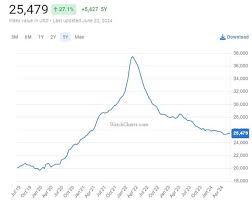
As of late 2023, reports indicate a notable decline in the prices of Rolex watches, which were once viewed as stable investments. According to data from various retailers and auction houses, prices for sought-after models like the Daytona and Submariner have decreased by as much as 30% in some cases. This is a stark contrast to the continuous growth and skyrocketing values that Rolex watches have experienced over the past decade.
Factors Behind the Price Crash
Several factors contribute to this unexpected downturn in Rolex prices. Firstly, the watch industry saw unprecedented demand during the COVID-19 pandemic when luxury items became hot commodities among affluent consumers. However, as the world begins to stabilise, and consumer spending habits change, the luxury watch market has faced an oversupply issue.
Additionally, as more brands entered the luxury market and introduced new models, the exclusivity once associated with Rolex has diminished. This phenomenon has prompted collectors to reassess their commitments and even seek to liquidate some pieces, leading to an influx of products on the resale market. Moreover, global economic uncertainties, including inflation and fluctuating consumer confidence, have made potential buyers more cautious.
The Implications for Collectors and Investors
The Rolex price crash serves as a wake-up call for collectors and investors alike. While potential buyers might see this as an opportunity to acquire highly coveted timepieces at a lower cost, existing owners should consider their strategies for valuation and resale.
Experts suggest that, for those invested in Rolex watches, understanding the changing dynamics of the luxury market is essential. Investing in timepieces should now come with a well-researched approach, focusing on brand heritage, scarcity, and model desirability rather than solely price trends.
Conclusion
The Rolex price crash exemplifies the volatility that can exist even in the most prestigious luxury markets. While this may be a challenging time for some, savvy investors who adapt to the evolving landscape may find great value in the current market conditions. As the luxury sector adjusts, monitoring trends will be key, and for many enthusiasts, this could be the right moment to engage with the world-renowned brand in a new light.



