Introduction
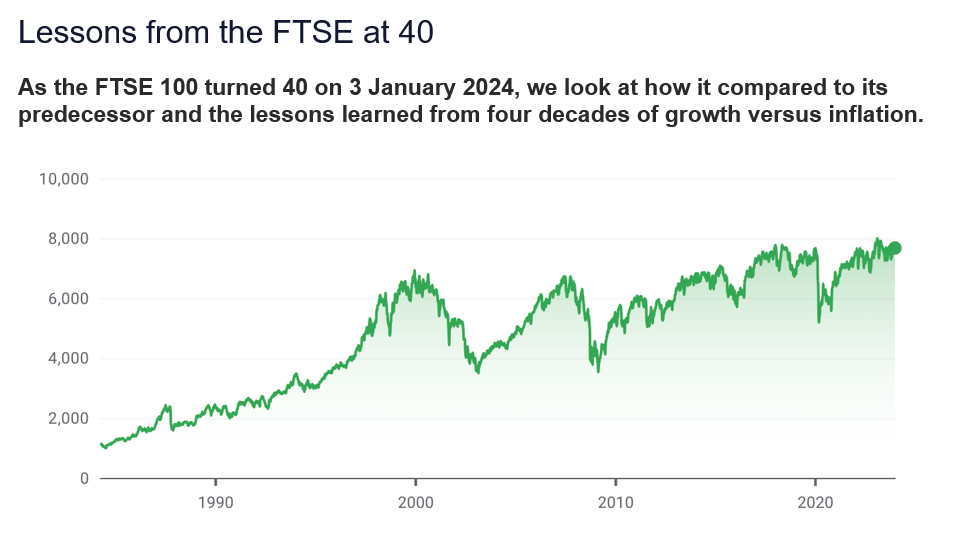
The FTSE 100 index, also known as the Financial Times Stock Exchange 100 Index, serves as a barometer for the UK stock market. It comprises the 100 largest companies listed on the London Stock Exchange, making it a crucial indicator of the health and performance of the British economy. Understanding the workings of the FTSE 100 is essential for investors, economists, and policymakers alike, as it influences investment decisions and reflects economic trends.
Recent Trends and Developments
As of mid-October 2023, the FTSE 100 has displayed a volatile performance, influenced largely by global economic uncertainties and local monetary policies. Recent fluctuations have been driven by several factors, including rising inflation rates, changes in interest rates by the Bank of England, and geopolitical tensions affecting trade sectors critical to the UK economy. The index experienced a significant dip earlier this month, dropping nearly 5% before showing signs of recovery as investor sentiment began to stabilise.
Particularly, sectors like technology and energy have shown resilience, with companies such as BP and Shell contributing positively to the index’s overall performance. In contrast, the retail sector has faced challenges, notably with high street brands struggling amidst economic pressures.
Impact on Investors
The FTSE 100 is often viewed by investors as a safer investment option, offering dividends from established companies. With an inclination towards blue-chip stocks, many investors opt for exchange-traded funds (ETFs) that track the FTSE 100. This has become increasingly prevalent in recent years as investors seek diversification and steady returns.
Despite the challenges faced in a fluctuating market, the FTSE 100 remains an attractive option for long-term investment strategies. Analysts suggest that the potential for growth in sectors like renewable energy and technology could lead to a rebound in the index as the economy adjusts to post-pandemic realities.
Conclusion
Understanding the FTSE 100 index is crucial for anyone interested in the UK stock market. The index not only reflects the performance of major companies but also serves as a signal for economic health and investor sentiment. As we move forward, the ongoing adjustments to monetary policies, inflation management, and global economic relationships will be pivotal in shaping the future of the FTSE 100. Investors are recommended to stay informed about market trends and diversify their portfolios accordingly, considering the inherent risks associated with stock market investments.



