Introduction
BBC Question Time is a pivotal political debate programme that offers a platform for public engagement with political representatives. Since its inception in 1979, the show has provided a crucial forum for discussing current affairs, shaping public opinion and influencing political debates in the United Kingdom. Its relevance has heightened in recent years as viewers seek accountability from their leaders amidst a dynamic political landscape.
Format of the Show
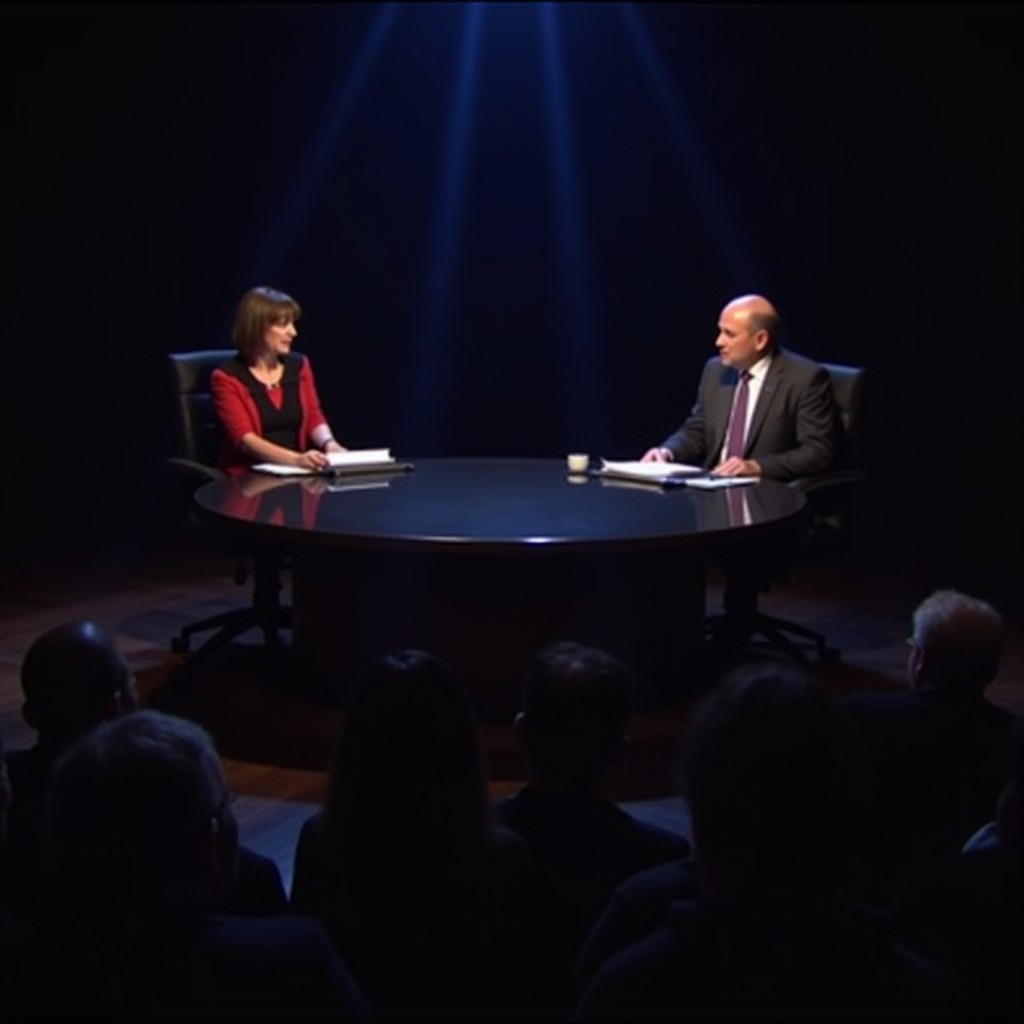
The programme features a panel of politicians, commentators, and public figures who respond to questions from an audience. Each week, the show is broadcast live from various locations across the UK, allowing it to represent a diverse range of viewpoints. The format encourages robust dialogue and provides the audience with the opportunity to address pressing issues directly with their elected officials.
Recent Developments
In recent episodes, BBC Question Time has tackled a range of topics including the cost of living crisis, climate change, and the future of the NHS. The October 2023 episode, which aired from Edinburgh, featured representatives from key political parties including the SNP, Labour, and the Conservatives. Voter frustration over economic challenges and health issues resonated throughout the discussions, showcasing the urgent need for solutions from policymakers.
Public Impact and Reactions
Audience engagement with the show has remained strong, with millions tuning in each week. Social media platforms buzz with commentary and critiques following each episode, highlighting the pressing issues raised. The show’s ability to reflect public sentiment has made it a barometer for political leaders, who often adjust their strategies based on the topics discussed and the public’s reaction.
Conclusion
As the UK navigates a turbulent political environment characterised by rapid change, programmes like BBC Question Time become increasingly significant in shaping discourse and influencing voter perceptions. Looking ahead, the relevance of the show is expected to grow, particularly with the forthcoming elections and ongoing debates regarding major national issues. It remains essential for the audience, termed as the ‘fifth estate,’ to hold their leaders accountable in fostering democratic dialogue and engagement.