Introduction
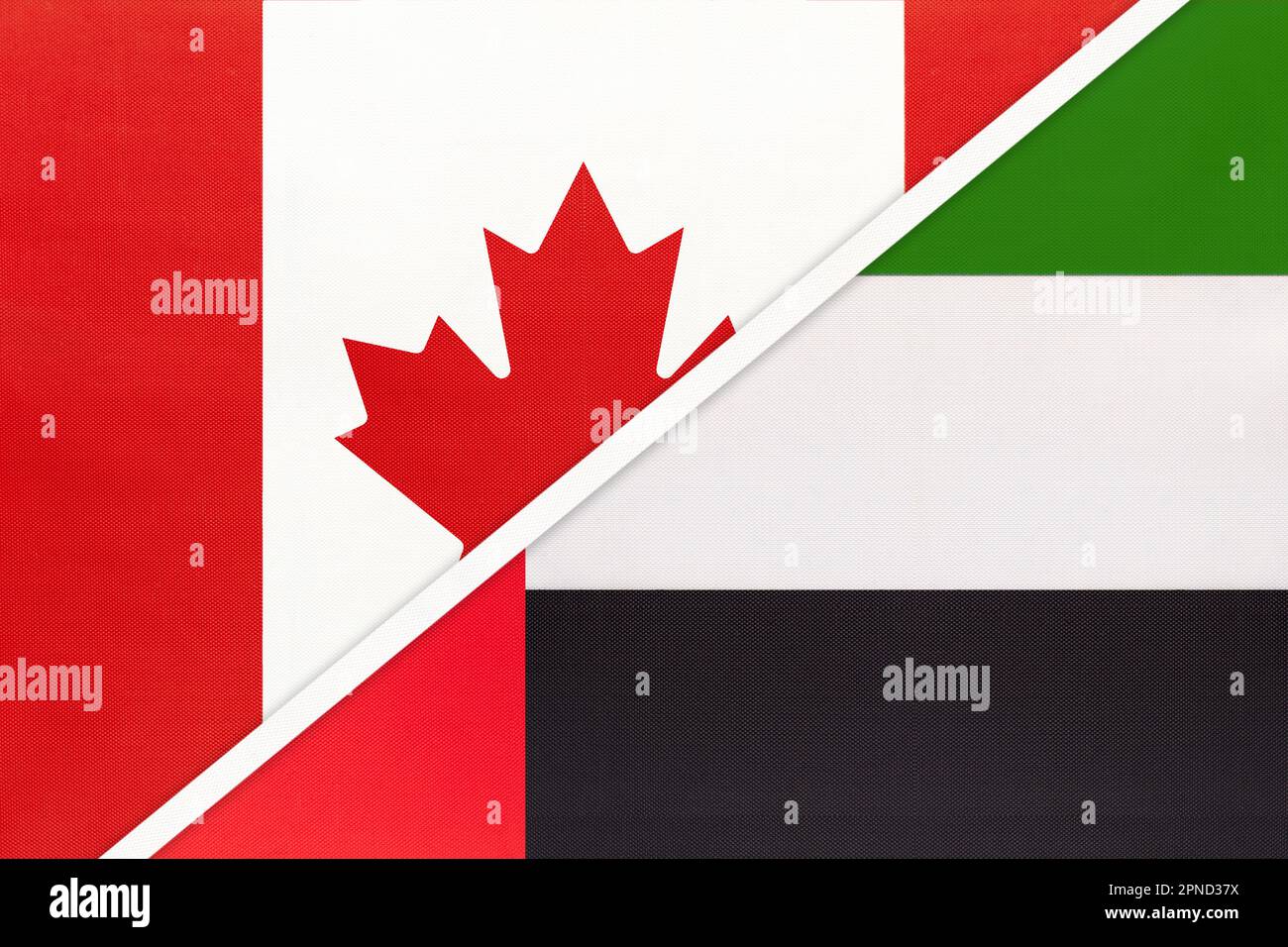
The comparison between Canada and the United Arab Emirates (UAE) has garnered significant attention recently due to the evolving global economic landscape and shifting cultural exchanges. Both countries, while vastly different in geography, culture, and governance, have become vital players on the global stage. Understanding their distinct characteristics and how they relate to each other is crucial for foreign relations, business partnerships, and cultural diplomacy.
Geographical and Cultural Context
Canada, the second-largest country in the world, is known for its rich natural landscapes, multiculturalism, and democratic values. With a population of approximately 38 million, it boasts a diverse cultural heritage, reflecting Indigenous traditions alongside British and French colonial influences. Conversely, the UAE, a federation of seven emirates, is located in the Middle East and has emerged as a global hub for commerce, tourism, and innovation. With a population of around 9.3 million, the UAE is characterized by its rapid development and a predominantly expatriate population, with culturally rich influences from Asia, the Middle East, and beyond.
Economic Landscape
In terms of economy, Canada and the UAE differ significantly. Canada has a mixed economy that heavily relies on natural resources, manufacturing, and services, while the UAE’s economy is primarily driven by oil exports but has diversified significantly over recent years, especially in tourism and finance. As per the International Monetary Fund (IMF), Canada’s GDP is approximately $2.1 trillion, compared to the UAE’s approaching $500 billion. However, the UAE boasts one of the highest GDP per capita figures in the world, estimated at over $43,000, illustrating its wealth distribution among its citizens and residents.
Education and Healthcare
Both nations pride themselves on their education and healthcare systems, although they operate under different frameworks. Canada’s education system comprises public, private, and international schools, with a focus on inclusivity and accessibility. The UAE has rapidly improved its educational institutions, incorporating international curricula to align with its developmental goals. Healthcare in Canada is publicly funded, ensuring access for all citizens, while the UAE offers a mix of public and private healthcare services, catering to a diverse population.
Conclusion
In conclusion, comparing Canada and the UAE reveals not only the unique attributes of each country but also the potential for cooperation and mutual growth. As global interactions continue to evolve, both nations stand to gain from their shared experiences and partnerships. Understanding these dynamics will be vital for future collaborations in trade, cultural exchange, and international relations. The contrast between Canada’s commitment to social welfare and the UAE’s ambitious development goals provides a rich narrative on how diverse nations can learn from each other.