Introduction
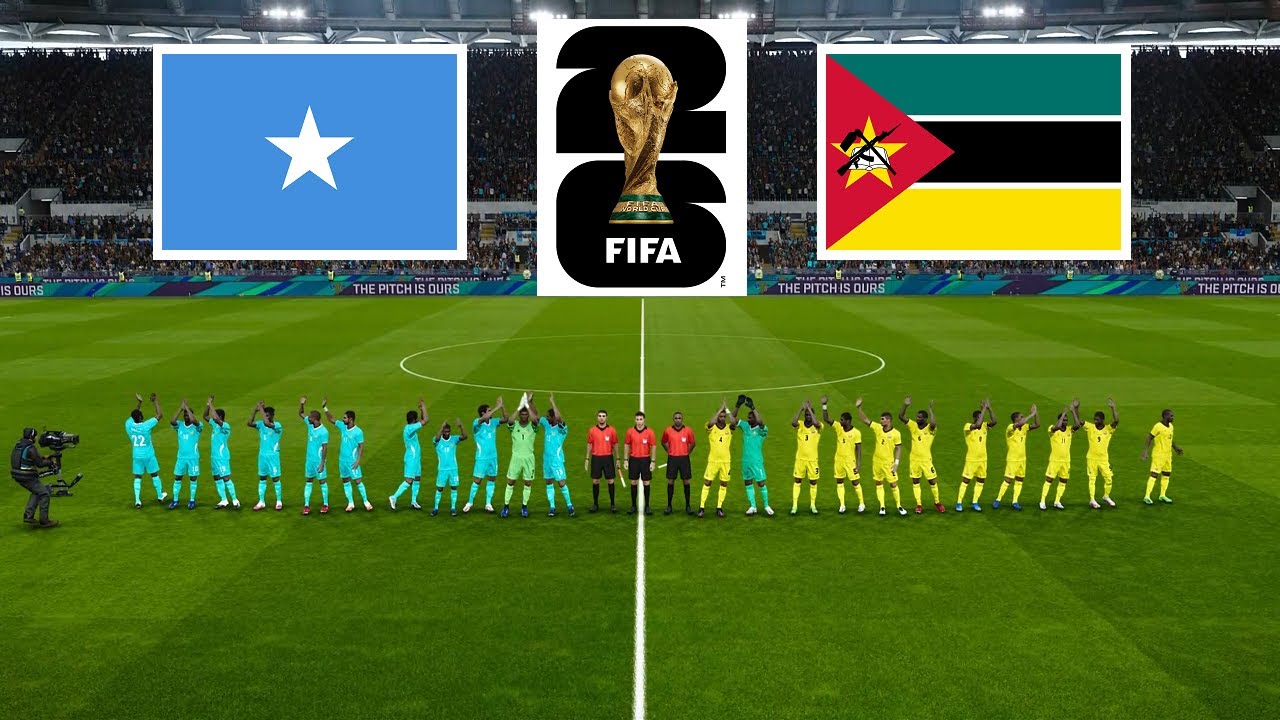
The comparison between Somalia and Mozambique highlights the distinct cultural, economic, and geopolitical landscapes of these two African nations. Somalia, located in the Horn of Africa, has been known for its complex social dynamics and protracted civil conflict, while Mozambique, on the southeast coast of the continent, has made significant strides towards development despite its own historical challenges. Understanding these differences is crucial for scholars, policymakers, and anyone interested in African studies.
Geographical Overview
Somalia is bordered by the Indian Ocean to the east, Ethiopia to the west, and Djibouti to the northwest, while Mozambique shares its borders with South Africa and Zimbabwe to the southwest, and is rich in natural resources, including gas and minerals. While both countries boast coastal areas, the geographical positions have contributed to their unique trade relationships and economic structures.
Historical Background
Somalia has faced ongoing instability since the collapse of its central government in 1991, resulting in internal strife and the rise of militant groups, which have hindered development. Conversely, Mozambique, which gained independence from Portugal in 1975, faced a civil war that lasted until 1992 but has since experienced relative peace and growth in various sectors, including tourism and agriculture.
Economic Development
Economic indicators reveal stark contrasts between the two nations. Somalia’s economy relies heavily on remittances from the diaspora, which constitute a significant portion of its GDP. The economy is largely informal, with pastoralism and agriculture as vital components. On the other hand, Mozambique’s recent discoveries of natural gas reserves promise significant investment opportunities, and the government has been actively promoting infrastructure development to attract foreign investors. However, the country still faces challenges such as corruption and inefficiency, which can impede progress.
Cultural Differences
Culturally, both Somalia and Mozambique have rich heritages, but they are shaped by different historical influences. Somali culture is deeply influenced by Arab and Islamic traditions, whereas Mozambique’s culture is a blend of indigenous African practices and Portuguese colonial influences. Both countries showcase a variety of languages, with Somali and Portuguese being the official languages respectively. Festivals and music in both nations reflect their unique identities, contributing to the vibrant African cultural landscape.
Conclusion
In summary, Somalia and Mozambique represent two diverse narratives within Africa, each with its own set of challenges and opportunities. Understanding their differences and similarities provides critical insights into their current state and future potential. As both nations continue to evolve, cooperation and regional partnership could facilitate further development and stability. For policymakers considering interventions or investments, the distinct contexts of Somalia and Mozambique serve as important reminders of the complexities of African sociopolitical realities.