Who is involved
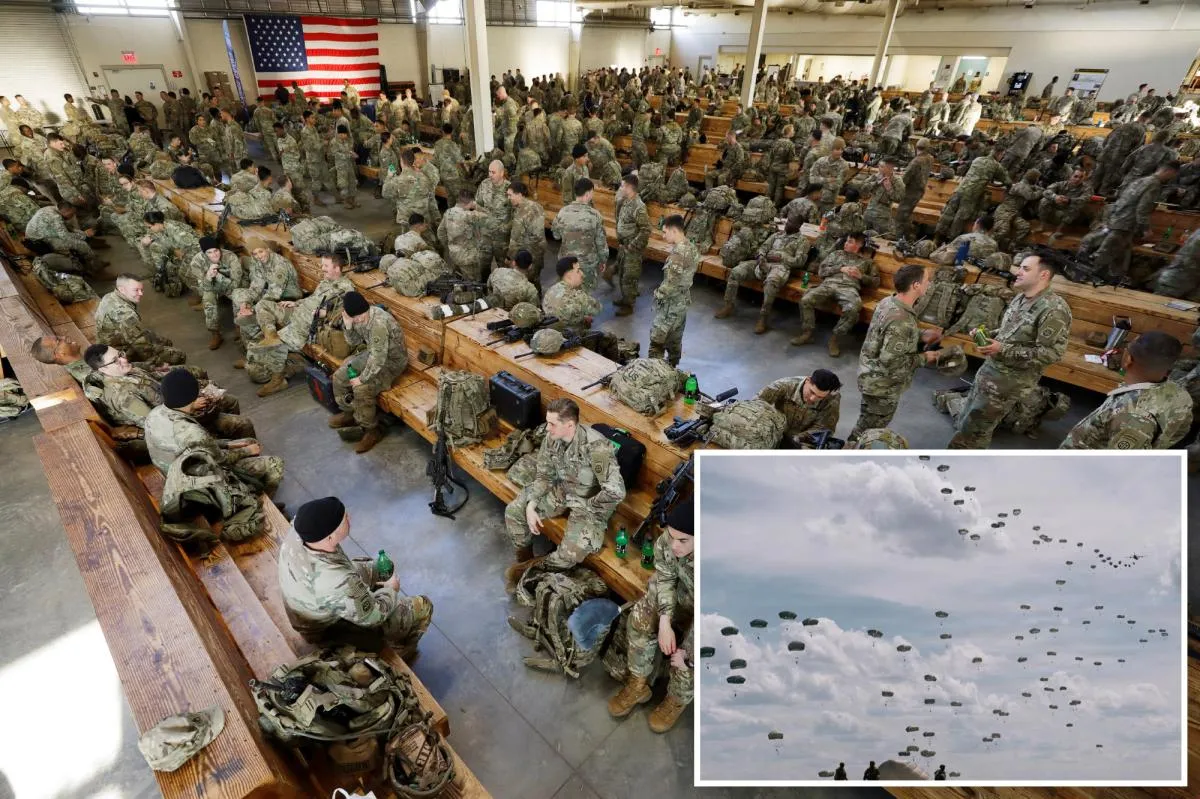
The 82nd Airborne Division, a key asset of the US Army, has long been recognized for its rapid deployment capabilities, often finding itself at the forefront of military readiness. Historically, this elite unit has been able to mobilize quickly in response to emerging global threats, a necessity in today’s unpredictable geopolitical landscape. As tensions rise in the Middle East, particularly concerning Iran, the division is once again poised to play a crucial role.
Before this recent development, the expectation was that the 82nd Airborne Division would continue its routine operations and training, remaining on high alert but not actively engaged in overseas deployments. However, the situation has shifted dramatically with the announcement from the White House regarding a potential deployment of around 3,000 soldiers from the division to support Operation Epic Fury. This operation underscores the urgency of the current geopolitical climate.
The decisive moment came when the Pentagon indicated that a brigade combat team from the 82nd Airborne Division could be dispatched to the Middle East. This unit is capable of deploying approximately 3,000 troops anywhere in the world within 18 hours, a testament to its rapid response capability. This speed is crucial, especially as the situation in Iran continues to evolve, with significant implications for regional stability.
As the announcement of the deployment looms, the immediate effects are being felt across various sectors. The military families of those involved are grappling with the uncertainty of deployment, while the broader community is rallying to support them. The potential for US boots on the ground in Iran has sparked discussions about the implications of such a move, with President Trump not ruling out this possibility.
Experts emphasize that the 82nd Airborne Division’s role is not just about military might; it also serves as a deterrent against further escalation in the region. With 90% of Iran’s oil exports handled through Kharg Island, the stakes are high. The deployment of US forces could influence not only military outcomes but also economic stability in the region.
Details remain unconfirmed regarding the exact timing of the deployment or the specific roles the troops would undertake if sent to the region. However, the readiness of the 82nd Airborne Division to respond swiftly remains a critical factor in US military strategy. As the situation develops, the division’s historical legacy of rapid response will once again be tested.
In summary, the 82nd Airborne Division is stepping into a pivotal role as tensions escalate in the Middle East. The community watches closely as the division prepares for what could be a significant deployment, reflecting both the challenges and responsibilities of military service in today’s world.