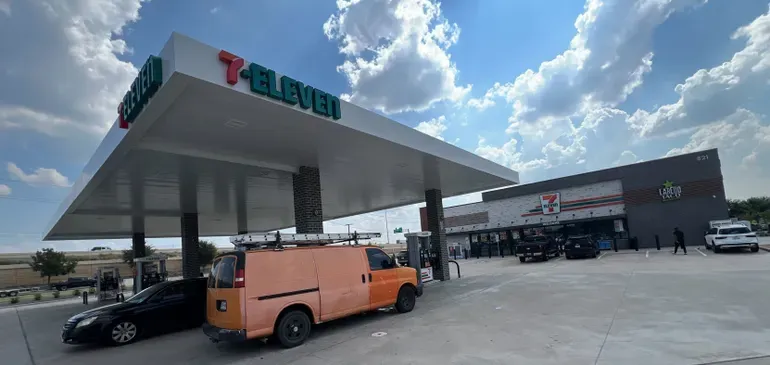
In a significant shift for the convenience store landscape, 7-Eleven has announced plans to close 645 locations across North America during fiscal 2026. This decision marks a pivotal moment for the company, which has struggled with declining sales in traditional areas like tobacco, with cigarette sales plummeting by 26% since 2019.
The closures, which are part of a broader strategy to transition to a new food-focused store format, reflect a changing consumer preference toward fresh and prepared foods. In fact, sales of prepared foods across the convenience store sector have surged by 12% in just one year, indicating a strong market demand for these offerings.
Over the past five years, 7-Eleven has consistently closed more stores than it has opened, with the company shuttering over 600 locations between 2024 and 2025 alone. This trend is indicative of a significant shift in the retail environment, as the company moves away from its small, traditional shops to larger stores that cater to modern consumer needs.
In 2024, 7-Eleven had already announced the closure of 444 underperforming stores, which accounted for approximately 3% of its North American base. The company aims to optimize its portfolio by cutting loose locations that do not meet performance expectations, a strategy referred to as “portfolio optimization.”
Despite these closures, 7-Eleven plans to open more than 200 new locations in North America during fiscal 2026, indicating a commitment to growth in areas that align with current consumer trends. Additionally, some of the closed locations will be converted into wholesale fuel stores, which will not count against the overall store closure numbers.
Stan Reynolds, a spokesperson for 7-Eleven, noted, “These food-forward stores are resonating with our customers and driving average sales per store day about 18% higher than our system average.” This statement underscores the company’s focus on adapting to changing consumer preferences.
However, the company faces challenges ahead, including a delayed IPO that has been pushed back by at least 11 months due to market uncertainties. As 7-Eleven navigates this transition, the future of its traditional convenience store model remains uncertain.
As the company continues to evolve, community members and employees alike are left wondering how these changes will impact their local stores and the overall convenience store experience. Details remain unconfirmed regarding the specific locations that will be affected by the upcoming closures.