Introduction
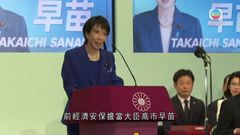
高市早苗, also known as Sanna Kao, is a significant figure in Taiwanese politics, currently serving as the chairperson of the Kuomintang (KMT). With her extensive political background and recent rise to prominence, her role has attracted considerable attention as Taiwan prepares for upcoming elections. Understanding her influence is crucial for those keen on Taiwanese political dynamics.
Political Background
Born on March 18, 1960, 高市早苗 entered politics in the late 1990s. She served as a legislator and later as the Mayor of Kaohsiung, where she implemented various initiatives aimed at urban renewal and improved local governance. Her leadership capabilities propelled her to the forefront of the KMT, leading to her current position as chairperson. In this role, she is strategically positioned to shape the party’s direction and policies leading up to the 2024 presidential elections in Taiwan.
Recent Developments
In recent months, 高市早苗 has been actively campaigning and promoting KMT policies that focus on national sovereignty, economic development, and health care reform. She emphasises stronger ties with the United States while maintaining a balanced approach to relations with China. Her recent speeches have resonated strongly with voters concerned about Taiwan’s self-defence and international space, particularly amid rising military tensions in the Taiwan Strait.
Challenges Ahead
Despite her popularity, 高市早苗 faces challenges within her party and the broader political landscape. Infighting within the KMT and criticisms from opposition parties create hurdles for her campaigns. Additionally, counteracting the narratives from the Democratic Progressive Party (DPP), currently in power, adds another layer of complexity. The DPP’s approach to cross-strait relations and their significant support base pose substantial challenges for 高市.
Conclusion
As Taiwan approaches its 2024 presidential elections, the role of 高市早苗 will be pivotal. Her leadership of the KMT and her political influence will significantly shape not only the party’s electoral strategies but also the political future of Taiwan. Observers will be keen to see how her policies and positions evolve in response to the challenges ahead and their potential impact on Taiwan’s democratic process.