Introduction
The ongoing rivalry between Czechia and Croatia transcends sports, igniting discussions in culture, history, and national identity. As both countries gain prominence in Europe, understanding their differences and similarities becomes vital for fostering better international relations and travel experiences.
Sporting Rivalry
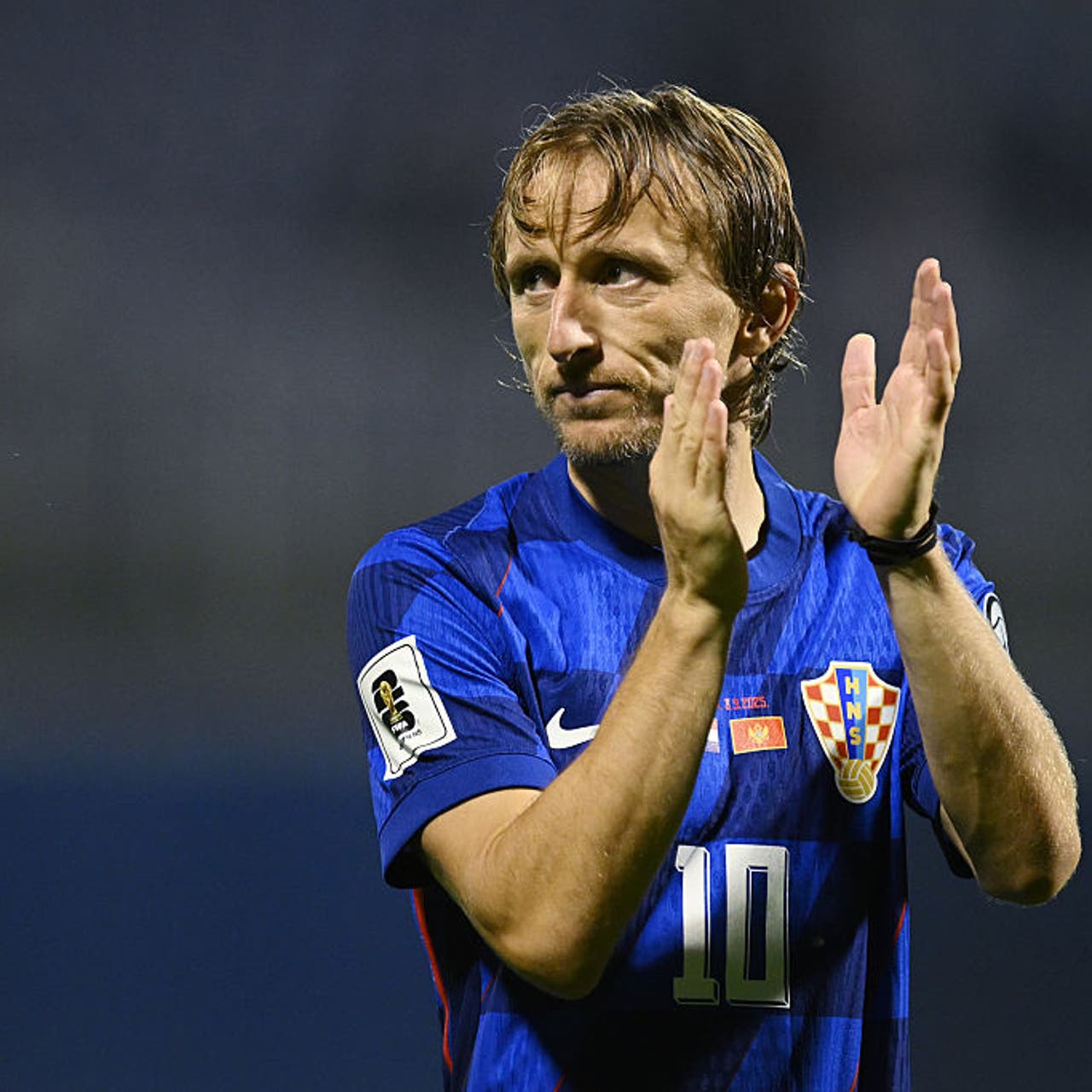
In the realm of sports, Czechia and Croatia share a competitive spirit, particularly in football and ice hockey. The Czech national football team has a storied history in European championships, most notably winning the UEFA European Championship in 1976. Conversely, Croatia rose to prominence in the football world, clinching the second position in the 2018 FIFA World Cup. The contrast in achievements illustrates the evolving talent in both nations, capturing the attention of sports enthusiasts across Europe.
Cultural Connections
Both Czechia and Croatia boast rich cultural heritages reflected in their traditions, cuisine, and arts. Czechia is known for its literary icons and vibrant theatre scene, while Croatia prides itself on its musical traditions and stunning architectural landmarks, including UNESCO World Heritage sites. Festivals in both countries often celebrate their national identities, drawing international visitors and promoting cross-cultural exchanges.
Economic Development
Economically, both nations are rapidly developing within the European Union framework. Czechia’s economy has shown resilience with a strong industrial base, while Croatia is increasingly focusing on tourism as a significant driver of growth. The differences in economic spheres highlight diverse strategic priorities as both countries navigate the landscape of the European market.
Conclusion
The competition and camaraderie between Czechia and Croatia serve as a microcosm of the broader dynamics within Central and Eastern Europe. As these nations continue to develop, their sporting events, cultural exchanges, and economic cooperation pave the way for enhanced diplomatic relations. Observers can expect to see more collaborative efforts in tourism, culture, and trade, fostering a richer understanding between these two European neighbours.